 India
India
India eyes to become global nutrition hub
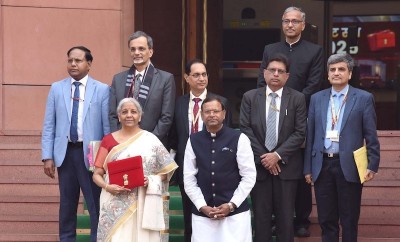
In a bold move to transform its agricultural landscape, India is set on a path to become a Global Nutrition Hub, with a focus on promoting millets as a superfood and bolstering the production of pulses and edible oils. The ambitious plan aims to empower farmers and make agriculture a more lucrative profession.
At the heart of this initiative lies the “Sree Anna” program, designed to support over 2 crore small and marginal farmers in producing millets, which are nutrient-rich grains. Millets, encompassing a variety of small-seeded grasses, are poised to receive global recognition as India leverages its status as a major producer of these nutritious crops.
India boasts a rich diversity of millets, including Sorghum, Pearl Millet, Finger Millet, and others, collectively known as nutri-cereals. By harnessing the potential of these crops, India aims not only to meet its domestic nutritional needs but also to establish itself as a key player in the global nutrition market.
In addition to promoting millets, the plan is to underscore the importance of achieving self-reliance in the production of pulses and edible oils, commodities for which India currently relies heavily on imports. Pulses like tur, urad, masoor, moong, and chana, along with edible oils such as mustard, soybean, sesame, and groundnut, are slated for increased production under the government’s plan.
Central to the vision is the empowerment of farmers, with initiatives ranging from soil health cards and micro-irrigation to crop insurance and direct financial assistance under schemes like the PM Kisan Samman Yojana. India has emphasized its commitment to ensuring fair prices for agricultural produce through measures like increasing Minimum Support Prices (MSP) and strengthening crop insurance schemes such as the PM Fasal Bima Yojana.
Furthermore, there are plans to establish new clusters for vegetable production and storage, with a focus on essentials like onions, tomatoes, and potatoes. This move aims to enhance food security and promote the cultivation of nutritious vegetables across the country.
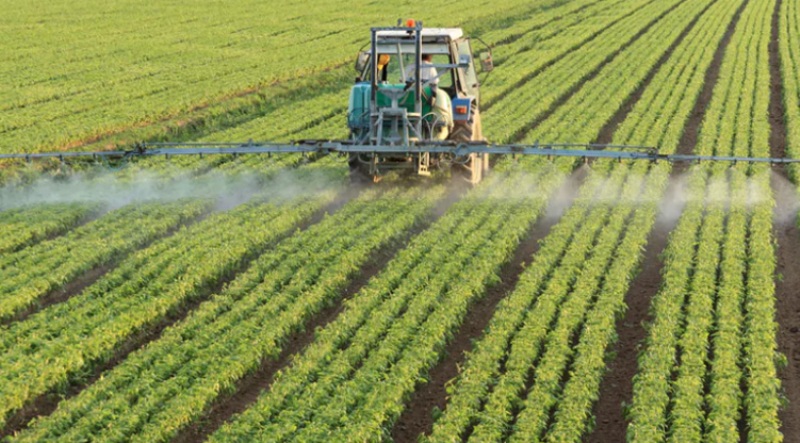
Underpinning these efforts is the National Mission on Natural Farming, which seeks to promote eco-friendly and climate-resilient agricultural practices. By incentivizing crop diversification and expanding sustainable farming methods, India aims to make agriculture more remunerative and resilient in the face of environmental challenges.
As India charts its course towards becoming a Global Nutrition Hub, the government’s commitment to empowering farmers and promoting sustainable agriculture stands as a testament to its vision for a healthier and more prosperous future.
(Photo and text courtesy: Khalsavox.com)
Support Our Journalism
We cannot do without you.. your contribution supports unbiased journalism
IBNS is not driven by any ism- not wokeism, not racism, not skewed secularism, not hyper right-wing or left liberal ideals, nor by any hardline religious beliefs or hyper nationalism. We want to serve you good old objective news, as they are. We do not judge or preach. We let people decide for themselves. We only try to present factual and well-sourced news.