


 River Pollution
As polluted flows India-Bangladesh transboundary river Ichamati, climate warriors talk action
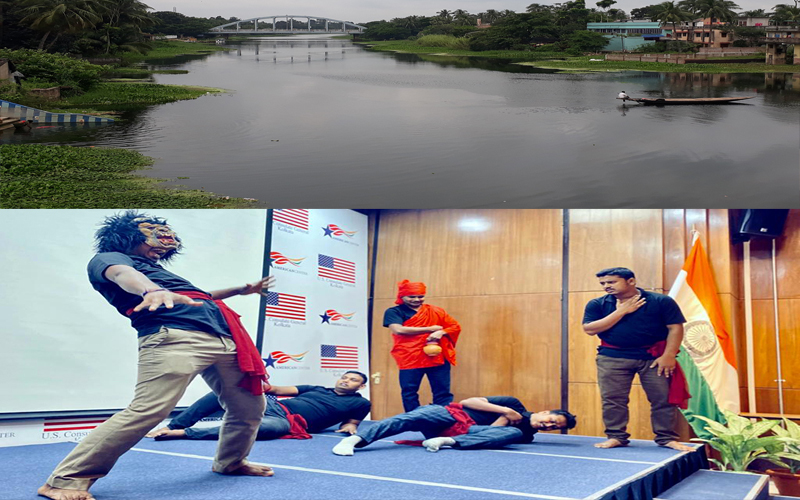
Kolkata/IBNS: Enamoured by its beauty, even Nobel laureate poet Rabindranath Tagore, in a poem, had expressed a desire to turn into the Ichamati River if he ever acquired the magical power to change his form to whatever he wished for.
Standing by the quietly flowing, polluted Ichamati - a river which marks the international boundary between India and Bangladesh - today it is difficult to imagine that more than a century ago, it was a free-flowing picturesque stretch of water.
One of the key pollutants choking the river today is plastics, according to experts from the Ichamati Kawtha (Ichamati Talk) project, which has been working to raise awareness about the importance of the river through dialogues and actions for the past one year.
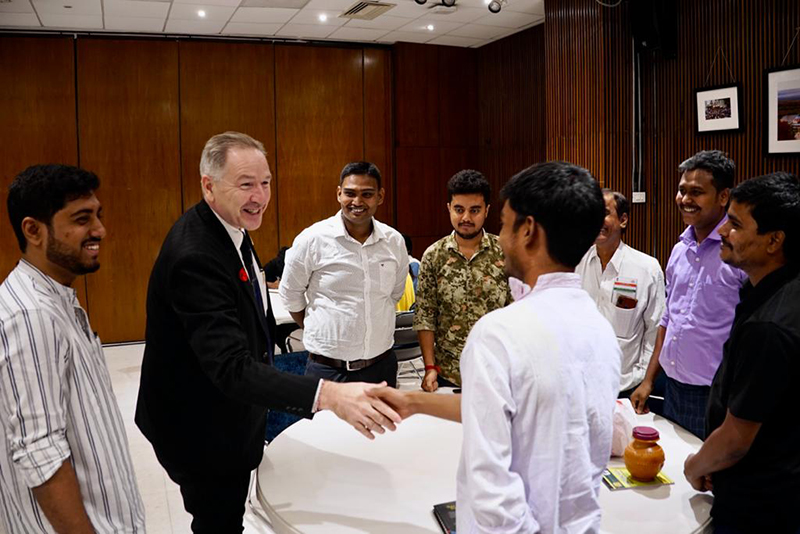
The project participants, who have been working with local environmentalists and pro-river crusaders, to invoke climate action and waste management along the transboundary river, with focus on key habitations such as Duttapulia, Bongaon, Basirhat and Taki (all in West Bengal), presented their findings at an event organised by the US Consulate in Kolkata and non-profit organisations Bridge and The Water Chronicles here last week.
Said Adrian Pratt, Director of the American Center Kolkata, and the Public Affairs Officer of the U.S. Consulate General in Kolkata, “The US Department of State has supported projects focused on ASEAN’s plastic pollution challenge and the importance of promoting integrated solid waste management strategies for creating sustainable local and regional solutions."
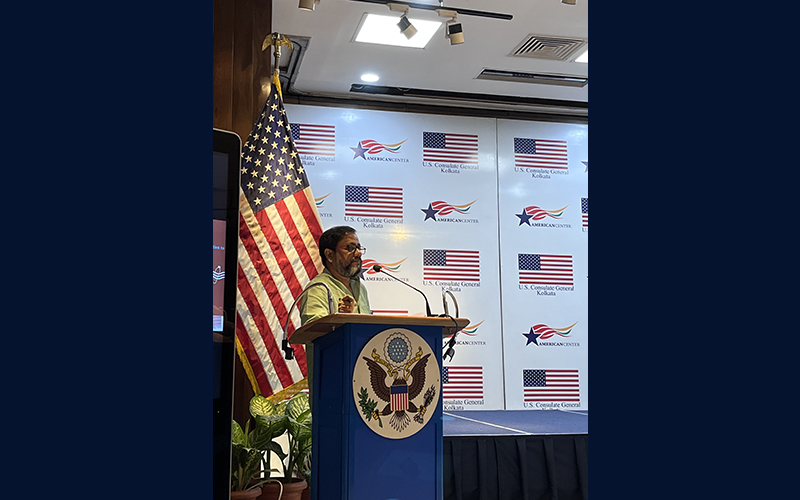
Prithviraj Nath, Director of non-profit BRIDGE, talked about the activities consisting of perception surveys in five locations that included stakeholder groups such as fisherman, local business owners, and others.
Subsequently, they conducted brainstorming sessions with women, leaders, experts, entrepreneurs and children.
According to Nath, more than 300 participants took part in climate walks and mangrove walks.
The project led public advocacy dialogues in each location that reached out to more than 550 participants and these local advocacy dialogues were in collaboration with the panchayat and municipalities to gain further insight and ideas, he said.
Nath said looking at the river from a larger basin perspective, there should be dialogue with the neighbouring country (Bangladesh) as Ichamati is a transboundary river.
A young activist, Soumen Das, talked about his experience of collecting plastic from the river; starting with 25 student volunteers, he now has over 95 of them working along with him.
Sasanka Dev, Secretary, Society for Direct Initiative for Social and Health Action (DISHA), said, "Salinity in water is increasing but that doesn't affect fish population. It changes the variety of fish. The reason for fish drastically decreasing is due to pollution. The Ichamati river surrounding is not urbanized so it can be linked to pesticides and chemical fertilizers used in the agricultural lands."
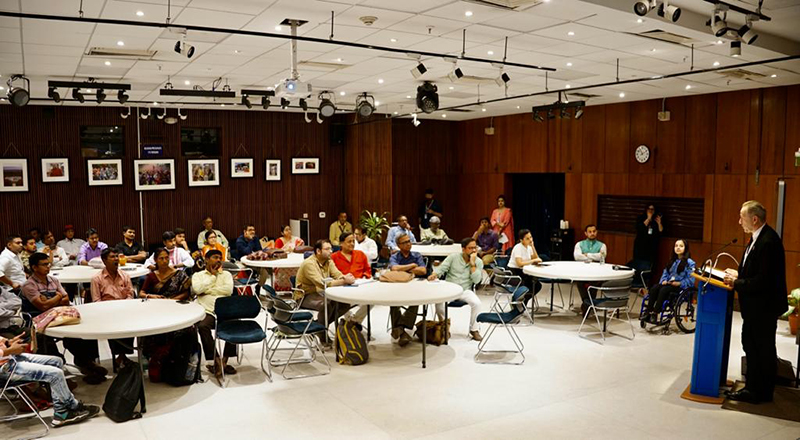
Suprotim Karmakar, author and river researcher, touched on a different aspect of river conservation by commenting on the emotional, historical, and cultural tools linked to the river.
He said that songs, poems and folktales can help in finding the historical path of the river and reveal how the river has shifted over time.
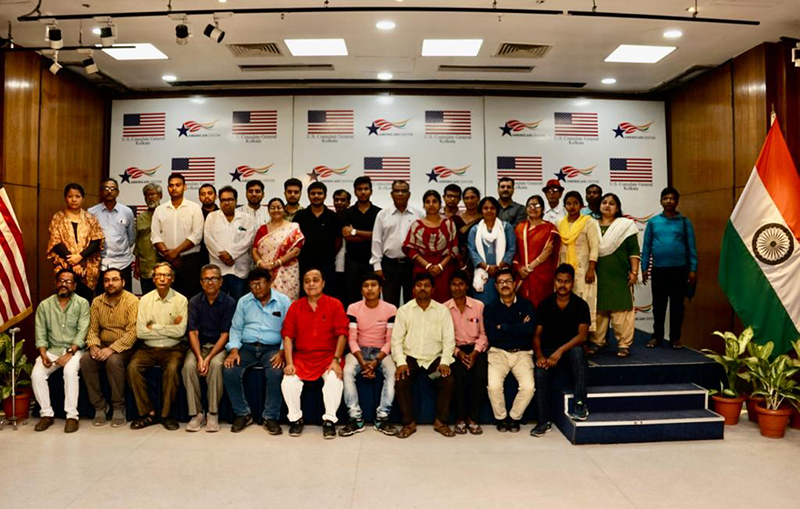
This could help in river mapping while the traditional knowledge helps in fighting pollution, he said.
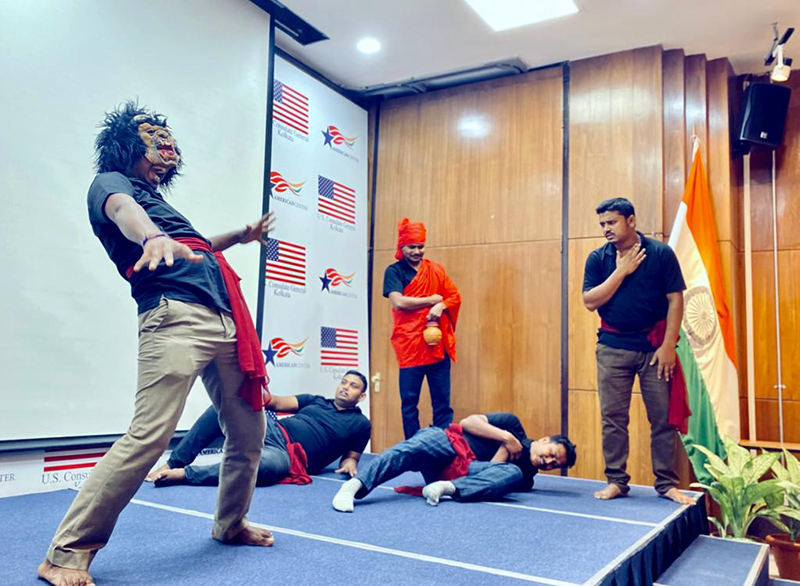
A skit, "Jawl Atonko" (Anxiety over Water), presented the dire situation that mankind might face from the lack of water if timely action is not taken to keep the water bodies clean and preserve water.
(Reporting by Radhika Sen)
Support Our Journalism
We cannot do without you.. your contribution supports unbiased journalism
IBNS is not driven by any ism- not wokeism, not racism, not skewed secularism, not hyper right-wing or left liberal ideals, nor by any hardline religious beliefs or hyper nationalism. We want to serve you good old objective news, as they are. We do not judge or preach. We let people decide for themselves. We only try to present factual and well-sourced news.
Support objective journalism for a small contribution.


