


Cambodia: UN-backed event spotlights need to boost HIV-sensitive social programmes
This was the focus of a gathering on Advancing HIV-Sensitive Social Protection held in the capital of Phnom Penh on Thursday jointly organized by the United Nations Development Programme (UNDP) and the Joint United Nations Programme on HIV/AIDS (UNAIDS) in partnership with the Cambodian People Living with HIV network (CPN+).
“HIV-sensitive social protection is both an equity issue and a sound and high return investment I human capital,” said Napolean Navarro, Deputy Country Director at UNDP in a statement released to the press on Friday.
The gathering was attended by over 70 representatives of Government, civil society and vulnerable groups including sex workers, men who have sex with men and those who inject drugs.
During the workshop, an activist shared her story, explaining how she was expelled from her family for being a transgender person in 1993, and could not find employment because she was discriminated against.
With UN support, Cambodia has become a pioneer on this issue in the region. For example, the National Social Protection Strategy (2011-2015) which includes People Living with HIV (PLHIV) as a special vulnerable group aims to lift people out of poverty and empower them.
Chair of the National AIDS Authority Ieng Mouly stressed that “understanding and taking into account the special needs and circumstances faced by PLHIV…was critical.”
But challenges linger. The National Coordination for the Cambodia People Living with HIV Network, Sorn Sothearith highlighted that while PLHIV are more likely to be poor or at high risk of becoming poor, they still tend to miss out on social protection schemes.
PLHIV also tend to be income-poor rather than asset-poor- often losing income due to ill health or discrimination. Many PLHIV face stigma and discrimination, or they worry that someone will reveal their HIV status.
Beyond a call for coordination with stakeholders, the meeting identified key areas for improving access to social protection services and developing services that meet the needs of vulnerable populations. This includes adapting eligibility criteria, making services more user-friendly and non-discriminatory, and increasing understanding of how to access available services.
The workshop also featured speakers from India – a world leader on HIV-sensitive social protection and where two million live with HIV. This kind of South-South knowledge sharing and learning is critical, participants said.
“HIV-sensitive social protection is still an emerging field in Asia and beyond, and on Friday’s gathering demonstrates that Cambodia is once again a pioneer on a global development issue,” he said.
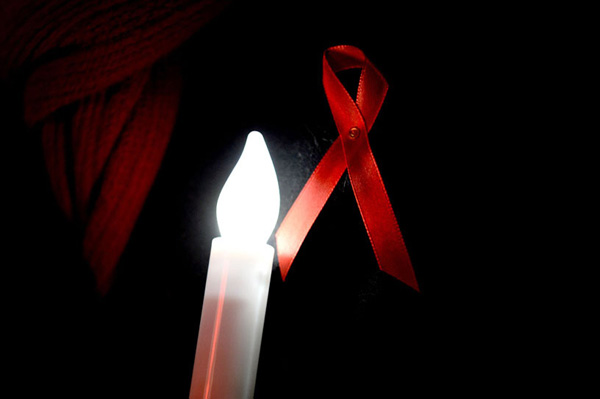
Photo: UNAIDS
Support Our Journalism
We cannot do without you.. your contribution supports unbiased journalism
IBNS is not driven by any ism- not wokeism, not racism, not skewed secularism, not hyper right-wing or left liberal ideals, nor by any hardline religious beliefs or hyper nationalism. We want to serve you good old objective news, as they are. We do not judge or preach. We let people decide for themselves. We only try to present factual and well-sourced news.
Support objective journalism for a small contribution.


