


Canada: A news study promotes action on climate change
The study laid emphasis on climate change consideration to go simultaneously with effects of biodiversity redistribution but unfortunately this is not being incorporated in most of the strategies of adaptation, CBCNews reports said.
Authors of the study, Tero Mustonen and Kaisu Mustonen, said climate change had been shifting the geography of life, which can have direct impact on the work of the human beings causing the disruption of the ecological structure of the planet, CBCNews reports said.
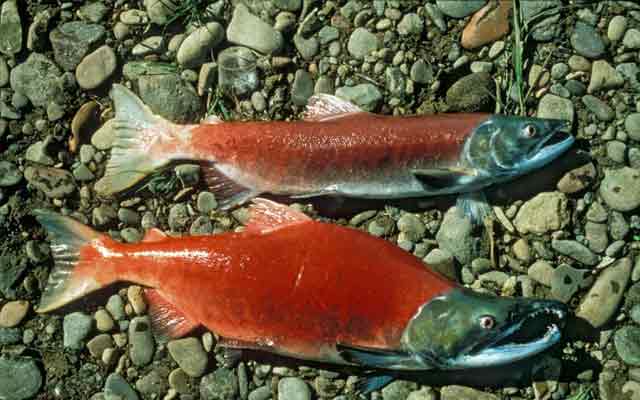
Sockeye salmon is just one example of species which are being impacted by warming ocean water and more acidic conditions caused by climate change.
These species, as reported by Tero and Kaisu, need cool water for their habitat in order to survive.
It is the biggest change in species underway for 25,000 years and that will have profound consequences for this province," he said about British Columbia where its iconic salmon is already being affected by warmer ocean temperatures.
The authors were of the opinion that the humanity was entering a century of unprecedented change.
The report of the study further said, "shifts will leave winners and losers in their wake, radically reshaping the pattern of human well-being between regions and different sectors and potentially leading to substantial conflict," CBCNews reports said.
The authors of the study were hoping that policy makers will be convinced to consider the well-being of species while managing climate change.
Mustonens were very optimistic of their research findings of the traditional knowledge possessed by First Nation about halting climate change efforts to safeguard the habitats of different species.
Average citizens, urged Mustonens, should promote restoration and maintenance of watersheds within their own communities.
"The endemic species of this place, for example the Fraser [River] catchment area, salmon and all the other species, here could have more resilience when there's more natural habitat or restored habitat," said Mustonen.
(Reporting by Asha Bajaj, Image of Sockeye salmon: Wikipedia)
Support Our Journalism
We cannot do without you.. your contribution supports unbiased journalism
IBNS is not driven by any ism- not wokeism, not racism, not skewed secularism, not hyper right-wing or left liberal ideals, nor by any hardline religious beliefs or hyper nationalism. We want to serve you good old objective news, as they are. We do not judge or preach. We let people decide for themselves. We only try to present factual and well-sourced news.
Support objective journalism for a small contribution.


