


 Cholera
Cholera kills more people for second consecutive year: WHO
The World Health Organization (WHO) has published its global cholera statistics for 2024, showing an increase in both the number of people who fell sick and died from the disease.
Reported cholera cases rose by 5% and deaths by 50% in 2024 compared to 2023, with more than 6000 people dying from a disease that is both preventable and treatable.
While these numbers are themselves alarming, they are underestimates of the true burden of cholera.
Conflict, climate change, population displacement, and long-term deficiencies in water, sanitation, and hygiene infrastructure continue to fuel the rise of cholera, a disease caused by the bacterium, Vibrio cholerae, which spreads rapidly through faeces-contaminated water.
Sixty countries reported cases in 2024, an increase from 45 in 2023. The burden of the disease remained concentrated in Africa, the Middle East, and Asia, which collectively accounted for 98% of all reported cases.
The scope of cholera outbreaks continued to expand in 2024, with 12 countries each reporting more than 10 000 cases, seven of which experiencing large outbreaks for the first time in the year. The resurgence of cholera in Comoros after more than 15 years without reported outbreaks, underscores the persistent threat of global transmission.
The case fatality ratio for Africa increased from 1.4% in 2023 to 1.9% in 2024, revealing critical gaps in the delivery of life-saving care, and signaling the fragility of many health systems, along with challenges in access to basic health services.
One quarter of deaths occurred in the community, outside of health facilities, highlighting serious gaps in access to treatment and the need to strengthen work with communities.
To combat cholera, governments, donors and communities need to ensure people have access to safe water and hygiene facilities, have accurate information on how to protect themselves, and rapid access to treatment and vaccination when there are outbreaks. Strong surveillance and diagnostics will help guide these responses. Further investment in vaccine production is also needed.
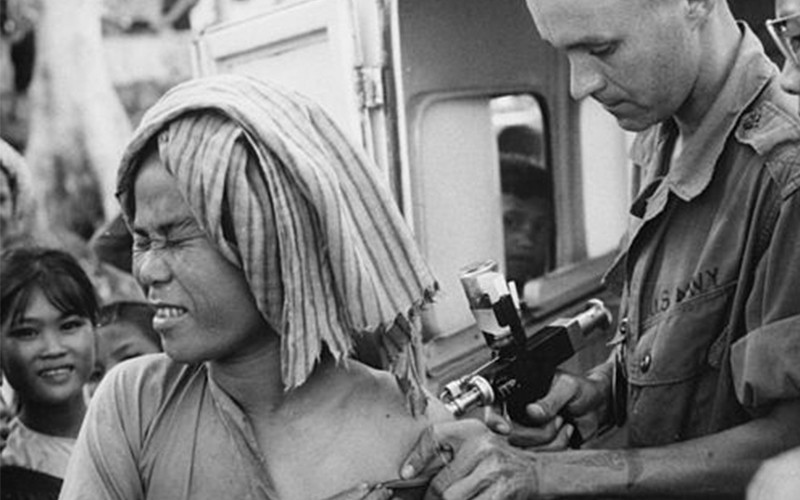
A new, innovative oral cholera vaccine (OCV), Euvichol-S®, was prequalified in early 2024 and entered the global stockpile. Its addition helped to maintain average stockpile levels above the emergency threshold of 5 million doses for the first 6 months of 2025.
However, due to the continued high demand for OCV, the temporary change from a two-dose to a single-dose regimen remained in effect throughout 2024 and into 2025.
Requests for 61 million OCV doses were made to the global stockpile in 2024, and a record 40 million were approved for emergency use in reactive, single-dose campaigns in 16 countries.
However, supply constraints continued to outstrip demand in 2024, and into 2025.
Preliminary data show that the global cholera crisis continues into 2025, with 31 countries reporting outbreaks since the beginning of the year.
WHO assesses the global risk from cholera as very high, and is responding with urgency to reduce deaths and contain outbreaks in countries around the world.
WHO continues to support countries through strengthened public health surveillance, case management, and prevention measures; provision of essential medical supplies; coordination of field deployments with partners; and support for risk communication and community engagement.
Support Our Journalism
We cannot do without you.. your contribution supports unbiased journalism
IBNS is not driven by any ism- not wokeism, not racism, not skewed secularism, not hyper right-wing or left liberal ideals, nor by any hardline religious beliefs or hyper nationalism. We want to serve you good old objective news, as they are. We do not judge or preach. We let people decide for themselves. We only try to present factual and well-sourced news.
Support objective journalism for a small contribution.


