


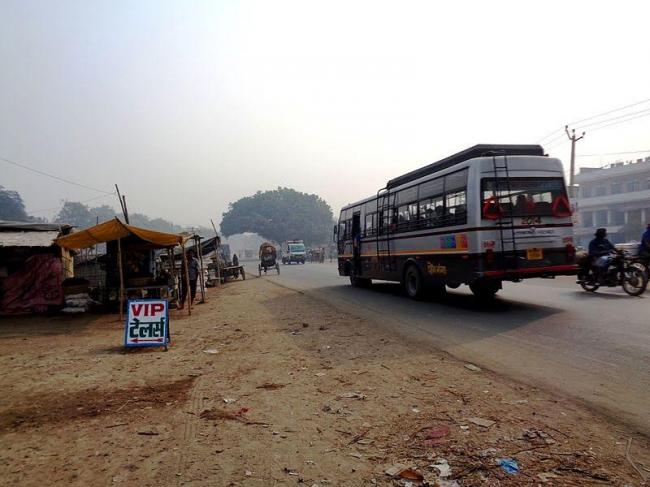
India would need to bring 88 km2 land under waste disposal by 2050: Study
“This will eventually render the land unfit for any other use for as long as a half century before it can be stabilised for other uses,” said the report titled, ‘Waste Management in India: Shifting Gears,’ jointly conducted by ASSOCHAM and global consulting firm PwC (PricewaterhouseCoopers).
As such it is imperative to relook into present systems of waste management in the country, suggested the ASSOCHAM-PwC study.
As per a previous estimate, by 2050 about 50 per cent of India’s population will be living in urban areas, and the volume of waste generation will grow by five per cent per year.
Accordingly, the expected waste quantity we are looking at for the year 2021, 2031, and 2050 are 101 million metric tonnes (MMT) per year, 164 MMT, and 436 MMT per year respectively.
The report noted that waste generation of Class I cities (with population between 0.1 million to five million) in India has been estimated to be around 80 per cent of country’s total waste generation.
Highlighting the concerns about per capita waste generation rate, the study said that presently it is about 300-400 gm/capita for medium cities and 400-600 gm/capita for large cities. “This is going to increase with the present trend of urbanisation and consumption patterns.”
On the need for proper waste treatment to generate environmental and monetary benefits, the study said that poorly managed waste has direct implications to urban environment, leading to air, water, and soil pollution, together with long-term health impacts, while it has indirect implications to our economy and growth prospects.
However, improper planning for waste management, complex institutional setup, constraints in capacity for waste management using modern techniques and best practices, and limited funds with urban local bodies (ULBs) are some of the reasons waste management in India has become an area of concern.
It also said that though private sector can play a critical and greater role in waste management in India, there are a various issues and bottlenecks on different fronts that have made it challenging to successfully implement projects – policy and regulatory, financing, project conceptualisation and structuring, technology and capacity.
The ASSOCHAM-PwC study has recommended the government to accord industry status to waste management sector to provide it necessary boost and regulatory adherence with dedicated monitoring and compliance cell.”
Image: Wikiemdia Commons
Support Our Journalism
We cannot do without you.. your contribution supports unbiased journalism
IBNS is not driven by any ism- not wokeism, not racism, not skewed secularism, not hyper right-wing or left liberal ideals, nor by any hardline religious beliefs or hyper nationalism. We want to serve you good old objective news, as they are. We do not judge or preach. We let people decide for themselves. We only try to present factual and well-sourced news.
Support objective journalism for a small contribution.


