


Newly-detected bird flu in Southeast Asia poses threat to animal health, people's livelihoods
The virus known as A(H5N6) has so far been detected in poultry in China, the Lao People’s Democratic Republic and Viet Nam, according to a statement released by the Rome-based FAO. The A(H5N6) bird flu is highly contagious in chickens, geese, and other poultry, which hundreds of millions of people rely on for their livelihood.
“Influenza viruses are constantly mixing and recombining to form new threats,” FAO’s Chief Veterinary Officer, Juan Lubroth, said in a statement from the Rome-based agency.
“However, H5N6 is particularly worrisome, since it has been detected in several places so far from one another, and because it is so highly pathogenic, meaning infected poultry quickly become sick and, within 72 hours, death rates are very high.”
Only one case of H5N6 has been reported in humans after contact with infected poultry in China. The person later died. And thus far, there have been no other reported human cases.
“It’s been detected in multiple places in poultry, yet we only have one human infection reported,” said World Health Organization (WHO) epidemiologist Elizabeth Mumford. “This suggests that the virus does not easily jump from animals to humans. Of course, we still need to remain vigilant, because prevalence in poultry and therefore human exposure could increase during the winter.”
Even if the health risks posed by H5N6 currently appear to be low, other pathogens, including subtypes of influenza viruses such as H5N1 and H7N9, still can present cause for concern, warns WHO.
FAO and WHO recommend people follow appropriate hygiene, food preparation and food safety guidelines. These include: washing hands often, cleaning utensils and surfaces used during food preparation, and eating only well-cooked poultry meat products. People should also avoid handling sick birds or those that have died of illness.
Countries in Southeast and East Asia – especially those with links to poultry production and trade – must ramp up efforts to detect and report influenza viruses in poultry and monitor for any human infections. The focus must be on prevention, early detection, immediate reporting and rapid response, said FAO.
An H5N6 outbreak could potentially overwhelm animal health systems in Southeast Asia. An earlier strain of the virus, H5N1, had impacted the livelihoods of millions of people and caused billions of dollars of damage.
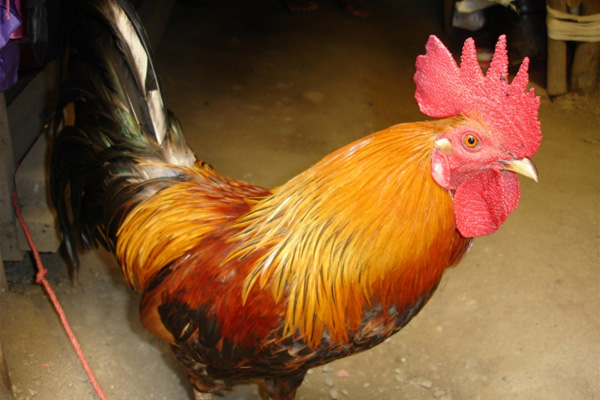
Photo: IRIN/David Swanson
Support Our Journalism
We cannot do without you.. your contribution supports unbiased journalism
IBNS is not driven by any ism- not wokeism, not racism, not skewed secularism, not hyper right-wing or left liberal ideals, nor by any hardline religious beliefs or hyper nationalism. We want to serve you good old objective news, as they are. We do not judge or preach. We let people decide for themselves. We only try to present factual and well-sourced news.
Support objective journalism for a small contribution.


