


 Ozempic
Ozempic lands in India at just Rs 2,200 — The weight-loss shot arrives!
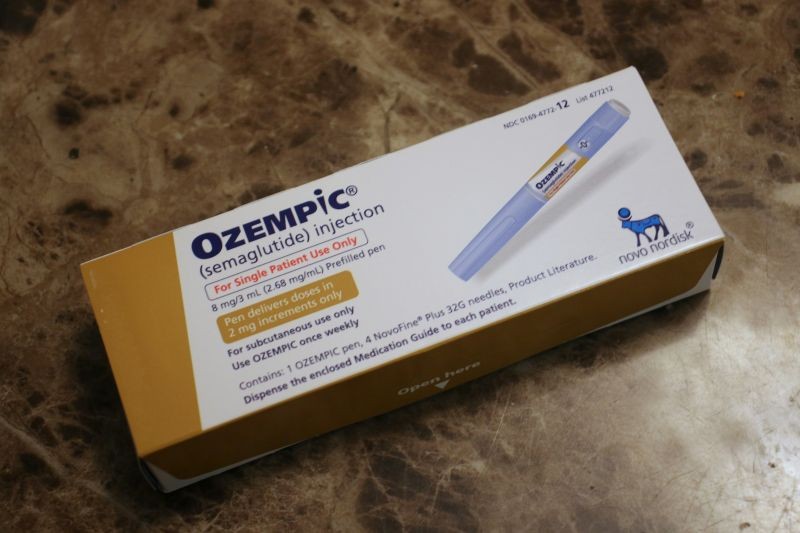
Drugmaker Novo Nordisk on Friday launched its blockbuster diabetes drug Ozempic in India, at a time when treatment demand for diabetes and weight loss is accelerating across the country.
The weekly injectable has been priced at Rs 2,200 for the 0.25 mg starter dose, according to India Today.
The drug will be available in three dosage strengths — 0.25 mg, 0.5 mg, and 1 mg — delivered through single-use, pre-filled Novofine Needles designed for painless subcutaneous injections, MoneyControl reported.
The launch comes amid growing global momentum around GLP-1 therapies, which have reshaped treatment approaches for diabetes and obesity. To address the escalating obesity epidemic, affecting over 1 billion people, the World Health Organization (WHO) recently released its first-ever guideline on the use of GLP-1 therapies for obesity, now recognized as a chronic and relapsing disease.
Obesity was linked to 3.7 million deaths worldwide in 2024, and without strong intervention, the number of people living with obesity is projected to double by 2030. In September 2025, WHO added GLP-1 therapies to its Essential Medicines List for managing type 2 diabetes in high-risk patients.
With its fresh guideline, WHO issued conditional recommendations supporting the use of GLP-1 medications as part of a comprehensive obesity-care strategy that also includes healthy diets, physical activity, and medical supervision.
“Obesity is a major global health challenge that WHO is committed to addressing,” said Dr Tedros Adhanom Ghebreyesus, WHO Director-General. “Medication alone won’t solve this crisis, but GLP-1 therapies can help millions overcome obesity and reduce its associated harms.”
Obesity significantly increases risks of cardiovascular disease, type 2 diabetes, certain cancers, and poor outcomes from infectious diseases. Economically, the global cost of obesity is projected to touch US$3 trillion annually by 2030. WHO says the new guideline will help countries reduce soaring healthcare burdens linked to obesity and related complications.
Support Our Journalism
We cannot do without you.. your contribution supports unbiased journalism
IBNS is not driven by any ism- not wokeism, not racism, not skewed secularism, not hyper right-wing or left liberal ideals, nor by any hardline religious beliefs or hyper nationalism. We want to serve you good old objective news, as they are. We do not judge or preach. We let people decide for themselves. We only try to present factual and well-sourced news.
Support objective journalism for a small contribution.


