


 Sepsis
Serious knowledge gaps must be bridged to battle deadly sepsis infections
New York: Efforts to tackle sepsis, which can damage multiple organs and result in death, are hampered by “serious gaps in knowledge”, particularly in low- and middle-income countries, according to a report launch on Wednesday by the World Health Organization (WHO).
Citing “recent studies”, WHO revealed that sepsis kills 11 million people each year, many of them children, and disables millions of others.
“The world must urgently step up efforts to improve data about sepsis so all countries can detect and treat this terrible condition in time,” WHO chief Tedros Adhanom Ghebreyesus said.
Improved data needed
Against the backdrop that most studies had been conducted in the hospitals and intensive care units of high-income countries – with little evidence from the rest of the world – WHO underscored the “urgent need” for better data.
Furthermore, different definitions of sepsis, diagnostic criteria and hospital discharge coding, compound the difficultly in developing a clear understanding of the true global burden of this life-threatening infection.
“This means strengthening health information systems and ensuring access to rapid diagnostic tools, and quality care including safe and affordable medicines and vaccine”, the top WHO official spelled out.
What is sepsis?
Sepsis occurs in response to an infection. When it is not recognized early and managed promptly, it can lead to septic shock, multiple organ failure and death, according to the UN health agency.
And patients who are critically ill with severe COVID-19 and other infectious diseases are at higher risk of developing and dying from it.
WHO pointed out that only half of sepsis survivors will completely recover, the rest will either die within one year or be burdened by long-term disabilities.
Hardest hit
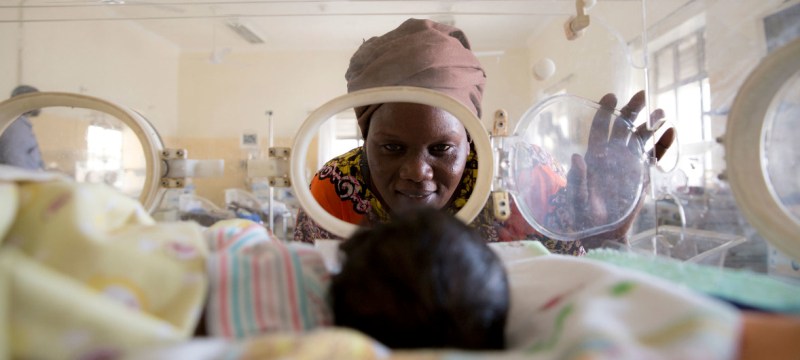
The deadly infection disproportionately affects vulnerable populations, including newborns, pregnant women and people living without means, where WHO says approximately 85 per cent of sepsis cases and sepsis-related deaths occur.
Moreover, children account for almost half of the 49 million cases each year, most of which could have been prevented through early diagnosis and appropriate clinical management.
Obstetric infections, including complications following abortion or infections following caesarean section, are the third most common cause of maternal mortality, the UN report revealed.
Global estimates show that for every 1,000 women giving birth, 11 women experience infection-related, severe organ dysfunction or death.
Healthcare sepsis
Sepsis frequently results from infections acquired in healthcare settings.
The report finds that almost half of sepsis patients in intensive care units acquired the infection in the hospital while noting that an estimated 27 per cent of those with sepsis in hospitals and 42 per cent in intensive care units, will die.
The world must urgently step up efforts to improve data about sepsis -- WHO chief
WHO identified antimicrobial resistance as a major challenge in treating sepsis as it complicates the ability to combat infections, especially in healthcare facilities.
Changing the odds
The UN health agency elaborated on interventions to prevent as many as 84 per cent of newborn sepsis-related deaths, which include improved sanitation, water quality and infection prevention methods – such as hand hygiene – but stressed that these be coupled with early diagnosis, appropriate clinical management and access to safe and affordable medicines and vaccines.
At the same time, WHO called on the global community to improve high-quality data collection; scale-up global advocacy, and funding research; develop rapid, affordable diagnostic tools; and educate health workers and communities to infection risks and the need to promptly seek care.
Support Our Journalism
We cannot do without you.. your contribution supports unbiased journalism
IBNS is not driven by any ism- not wokeism, not racism, not skewed secularism, not hyper right-wing or left liberal ideals, nor by any hardline religious beliefs or hyper nationalism. We want to serve you good old objective news, as they are. We do not judge or preach. We let people decide for themselves. We only try to present factual and well-sourced news.
Support objective journalism for a small contribution.


