


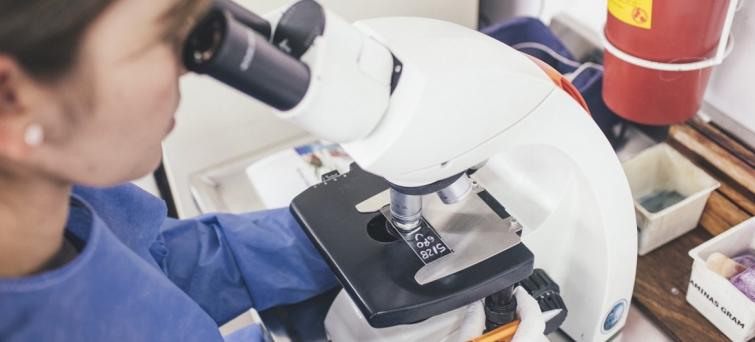
UN health agency steps up fight against ‘invisible pandemic’ of antimicrobial resistance
New York, June 19 (IBNS): As resistance to antibiotics grows, the World Health Organization (WHO) has launched the latest stage of its campaign to fight this deadly health risk – likened by the agency to an “invisible pandemic”– with the launch of a new online tool for health professionals on Tuesday.
The AWaRe portal divides antibiotics into three groups – Access, Watch and Reserve – and explains which antibiotics should be used to treat the most common and serious infections (Access), which ones should be available at all times in the healthcare system (Watch), and those that must be used sparingly or preserved and used only as a last resort (Reserve).
The campaign is designed to raise the proportion of global consumption of antibiotics in the Access group to at least 60%, and to reduce use of the antibiotics most at risk of resistance from the Watch and Reserve groups. Using Access antibiotics lowers the risk of resistance because they are ‘narrow-spectrum’ drugs that target a specific micro=organism rather than several. They are also less costly because they are available in generic form.
More than half of antibiotics used inappropriately
The importance of using the tool is underscored by WHO’s estimate that over half of antibiotics in many countries are administered inappropriately. Examples include the use of the drugs to treat viruses (antibiotics only treat bacterial infections), or patients being prescribed the wrong antibiotic.
Both practices can contribute to the spread of resistance and, in hospitals, patients run the risk of being infected with antimicrobial resistant bacteria that can cause blood and wound infections, pneumonia and meningitis.
Antimicrobial resistance is one of the most urgent health risks of our time. Tedros Adhanom Ghebreyesus, Director-General, WHO
At the same time, around one million children die every year from pneumonia because of a lack of access to appropriate antibiotics, a tragedy that disproportionately affects low and middle-income countries.
“Antimicrobial resistance is one of the most urgent health risks of our time and threatens to undo a century of medical progress”, said WHO chief Tedros Adhanom Ghebreyesus in a statement calling on governments to adopt AWaRe.
“All countries must strike a balance between ensuring access to life-saving antibiotics and slowing drug resistance by reserving the use of some antibiotics for the hardest-to-treat infections.”
PAHO/Joshua Cogan
Support Our Journalism
We cannot do without you.. your contribution supports unbiased journalism
IBNS is not driven by any ism- not wokeism, not racism, not skewed secularism, not hyper right-wing or left liberal ideals, nor by any hardline religious beliefs or hyper nationalism. We want to serve you good old objective news, as they are. We do not judge or preach. We let people decide for themselves. We only try to present factual and well-sourced news.
Support objective journalism for a small contribution.


