


 Europe
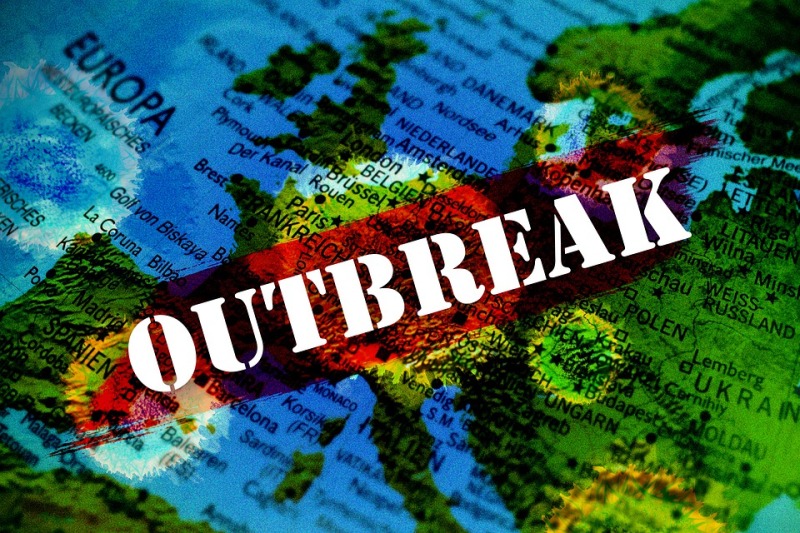
WHO alerts Europe might witness third COVID-19 wave in 2021
Moscow/UNI: David Nabarro, a special envoy of the World Health Organization (WHO), in an interview with the Swiss Badener Tagblatt newspaper on Sunday warned of the danger of a third wave of the coronavirus pandemic in Europe in early 2021.
According to the special envoy, European countries failed to prevent a second wave of the pandemic after they managed to take the first one under control.
In particular, they missed the opportunity to develop the necessary infrastructure during the summer months when the epidemiological situation improved. If the governments do not create it now, they will face a third wave in early 2021, Nabarro said.
Many Western European countries are currently seeking to take the virus back under control without resorting to such rough measures as lockdown and a strict isolation regime, for which they have to pay a "high price," the WHO special envoy added.
Commenting on the epidemiological situation in Eastern Asia, Nabarro said that it was better due to clear communication between the authorities and population. After the countries managed to reduce the number of infections per day, they do not relax coronavirus-related restrictions, which are strictly followed by citizens.
Support Our Journalism
We cannot do without you.. your contribution supports unbiased journalism
IBNS is not driven by any ism- not wokeism, not racism, not skewed secularism, not hyper right-wing or left liberal ideals, nor by any hardline religious beliefs or hyper nationalism. We want to serve you good old objective news, as they are. We do not judge or preach. We let people decide for themselves. We only try to present factual and well-sourced news.
Support objective journalism for a small contribution.


