


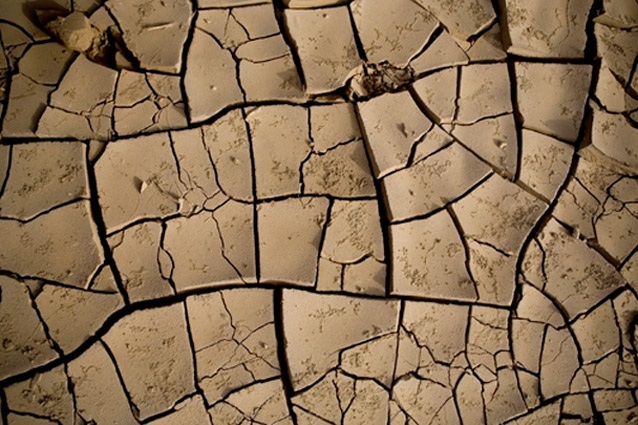
As Ethiopia battles devastating drought, UN sends in emergency health team
“The food security emergency is coming against a background of multiple ongoing epidemics in the country,” the interim Director of Emergency Risk Management and Humanitarian Response at the UN World Health Organization (WHO), Michelle Gayer, said on Friday.
“This creates an additional burden for people’s health as well as the health system as malnutrition, especially in children, predisposes them to more severe infectious disease, which can kill quickly,” she added.
The current El Niño, among the strongest on record, caused by a cyclical warming in the Pacific Ocean, affects climate over a wide swathe of the world, bringing more floods to some areas and longer droughts to others, as well as stronger typhoons and cyclones.
Ethiopia has experienced two poor growing seasons in 2015. Due to delayed rains attributed to El Niño, its main annual harvest was severely reduced.
Every month since January has seen an increase in the number of malnourished children, with 400,000 likely to face severe malnutrition in 2016. In addition, some 700,000 expecting and recent mothers are at risk for severe malnutrition.
Anticipating a major increase in health risks, WHO has mobilized drugs, equipment and human resources. Vulnerable populations, such as children requiring therapeutic feeding and health care, are particularly at risk of illness and death.
El Niño can lead to significant increases in diseases, such as malaria, dengue fever, diarrhoea and cholera – major killers of children.
Ethiopia is one of the most affected countries by El Niño thus far.
“We are very concerned that right now, there are not enough resources to provide an effective and coordinated health response across Ethiopia,” WHO Emergency Response Coordinator in Ethiopia Kebba Jaiteh said. “Without a proper response, El Niño could reverse years of progress on health for Ethiopians.”
WHO and partners predict increases in communicable, water- and vector-borne diseases and medical complications from malnutrition, and there are also concerns about increasing cases of acute watery diarrhoea.
Many disease outbreaks are currently ongoing with response already being organized by the Ethiopian Health Ministry and partners.
After a recent measles outbreak, the Ministry and partners started vaccinating 5.3 million children under five in hotspot districts, but a significant funding gap remains for those between five and 14 years.
While response plans are still being finalized, WHO estimates its initial funding request will require more than $8 million.
“This is just the beginning of what the health sector is going to need in the coming months to address the health consequences of El Niño in Ethiopia, across the Horn of Africa, southern Africa and in many other parts of the world,” Dr. Gayer said.
Photo: Siegfried Modola/IRIN/www.justearthnews.com
Support Our Journalism
We cannot do without you.. your contribution supports unbiased journalism
IBNS is not driven by any ism- not wokeism, not racism, not skewed secularism, not hyper right-wing or left liberal ideals, nor by any hardline religious beliefs or hyper nationalism. We want to serve you good old objective news, as they are. We do not judge or preach. We let people decide for themselves. We only try to present factual and well-sourced news.
Support objective journalism for a small contribution.


