


 DR Congo
DR Congo crisis: 41,700 refugees have fled violence to Uganda, says UNHCR
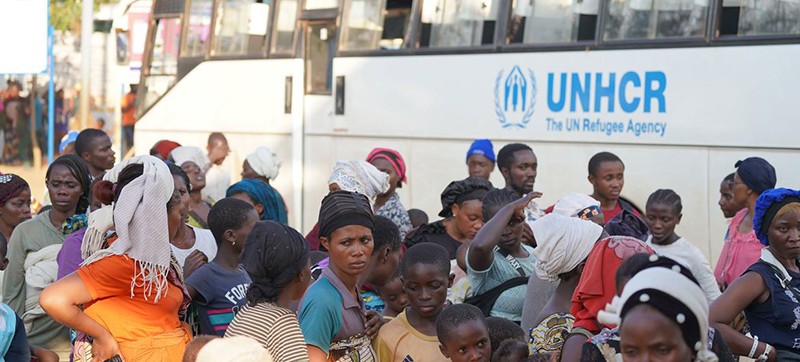
Some 41,000 refugees have crossed from the Democratic Republic of the Congo (DRC) into Uganda since January, many of them having witnessed killings, “sexual violence and other traumatic experience during their flight,” said the UN refugee agency (UNHCR) on Tuesday.
Every day since the end of last month, around 600 Congolese have been crossing the border into Uganda – which hosts the largest number of refugees in Africa – bringing the total sheltering there to nearly 600,000, out of a total of 1.8 million.
This “risks overwhelming the country’s capacity as it also responds to the needs of over 70,000 Sudanese refugees who have arrived fleeing the two-year long war in Sudan,” says UNHCR.
Many of the new arrivals – mostly women and children – come by foot or local transport, while there have been “increasing reports of men traveling separately from their families to avoid being forcibly recruited by armed groups,” said UNHCR.
Children are particularly vulnerable, with many arriving in “a weakened state amidst a high prevalence of malaria and malnutrition.”
Resources under strain
Transit is overwhelmed, with Nyakabande, one of the main transit centres, reaching six times its capacity. Critical shortages of bathing facilities and latrines are putting people at dire risk of deadly diseases, with most already suffering poor health.
Since January, up to nine children under five have reportedly died from malnutrition-related anemia in Nyakabande and Matanda transit centres.
Aid cuts
The funding crunch is significantly impacting the humanitarian response, with UNHCR having to scale back on some standard protection activities, such as legal aid for refugees, in order to prioritise the most critical needs.
While the Ugandan authorities, UNHCR, and partners are working to strengthen support to the newly arrived refugees, vital services across the country have had to be deprioritised, including health facility closures and the loss of some 250 health workers.
“Urgent funding is critical” in order to allow Uganda to maintain and expand these services, the agency said.
Support Our Journalism
We cannot do without you.. your contribution supports unbiased journalism
IBNS is not driven by any ism- not wokeism, not racism, not skewed secularism, not hyper right-wing or left liberal ideals, nor by any hardline religious beliefs or hyper nationalism. We want to serve you good old objective news, as they are. We do not judge or preach. We let people decide for themselves. We only try to present factual and well-sourced news.
Support objective journalism for a small contribution.


