


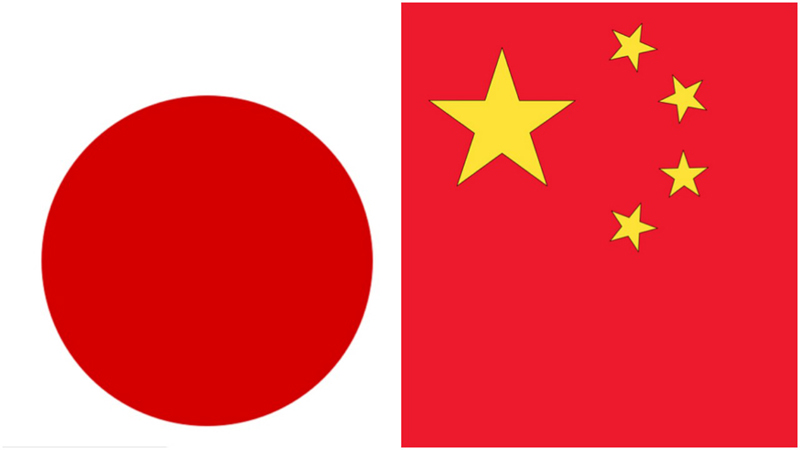
 China-Japan
Japan tech firms diversify supply chains from China, reveals poll
Tokyo/UNI: More than 40 percent of Japanese companies which possess sensitive technology linked to security are currently shifting their parts procurement and manufacturing bases from China so as to diversify their supply chains, reveals a survey conducted by Kyodo News agency.
This policy of reducing reliance on China comes in the midst of rising U.S.-China competition over technological supremacy and concerns about potential concentration of medical production in China, particularly in the wake of the corona pandemic.
The survey showed that 42 companies out of 96 respondents said they have diversified or are considering diversifying their supply chains by moving to India and Southeast Asian countries.
Though the importance of of China that is the second largest economy in the world it was evident in the survey as only three respondents said they have or will downsize operations or withdraw from China.
A total 59 percent, or 57 respondents, said they have introduced a system to focus on human rights in conducting business as a growing number of companies work to implement standards determining whether their products have been manufactured in forced labor conditions.
The businesses have started taking such action after it was found multinational companies made deals with Chinese factories that have been suspected of imposing forced labor on Uyghurs and other ethnic minorities in China.
Support Our Journalism
We cannot do without you.. your contribution supports unbiased journalism
IBNS is not driven by any ism- not wokeism, not racism, not skewed secularism, not hyper right-wing or left liberal ideals, nor by any hardline religious beliefs or hyper nationalism. We want to serve you good old objective news, as they are. We do not judge or preach. We let people decide for themselves. We only try to present factual and well-sourced news.
Support objective journalism for a small contribution.


