


'Knowledge saves lives,' UN stresses on International Day for Disaster Reduction
“Traditional and indigenous knowledge is the indispensable information base for many societies seeking to live in harmony with nature and adapt to disruptive weather events, a warming globe and rising seas,” Ban said in his message on the International Day.
The Secretary-General recalled a conversation he had earlier in the year with the President of Vanuatu at the opening of the Third UN World Conference on Disaster Risk Reduction in Sendai, Japan.
Vanuatu was at that time being hit hard by Cyclone Pam.
“The force of the storm led to expectations that there would be great loss of life. Thankfully, this was not the case. One reason was that cyclone shelters built in the traditional style from local materials saved many lives,” explained Ban.
“Resilience is the sum of many such acts of disaster risk reduction at the local level,” said the UN chief, noting in another example that the low-tech local knowledge in Cameroon passed down from generation to generation, helped farmers to cope with drought and protect their crop from pests.
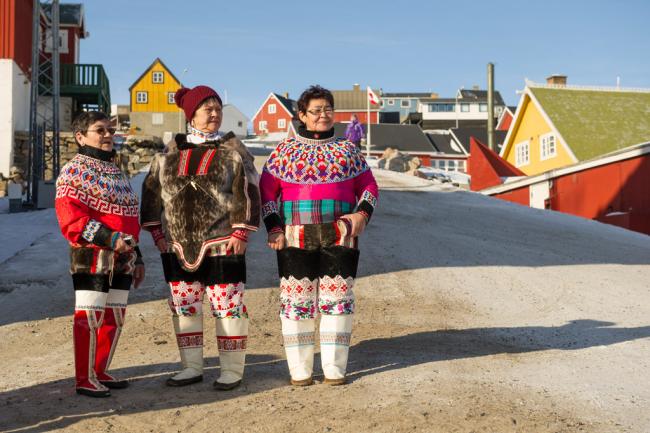
Based on the impacts of climate changes in Arctic, which can expand to all humanity, the Secretary-General said, “Local knowledge of the impacts of urbanization, population growth, eco-system decline and greenhouse gas emissions is especially important in an era when more and more disasters are climate- and weather-related.”
The Sendai Framework for Disaster Risk Reduction, said the Secretary-General, underlines how traditional knowledge can complement scientific knowledge in disaster risk management.”
He also said that building resilience to disasters is also a key feature of the newly adopted Sustainable Development Goals, the framework that will guide our efforts to end poverty and promote shared prosperity on a healthy planet by 2030.”
Meanwhile, in her remarks, Irina Bokova, the Director-General of the UN Educational, Scientific and Cultural Organization (UNESCO) also mentioned that the Sendai Framework “campaigns for greater cooperation between governments, local authorities, communities and indigenous peoples in the formulation and implementation of policies and standards for natural disaster prevention.”
Bokova said the agency is committed to the widest possible dissemination of indigenous knowledge to meet the challenges of climate change and natural hazards, especially in remote areas.
The local shelters in Vanuatu had not only protected its people, according to UNESCO, “this traditional and indigenous knowledge also helps to protect the cultural heritage against natural hazards.”
She concluded her statement with calls for expanding on and integrating knowledge and expertise wherever they may be found. “It is the key to building societies that are all the more resilient when they are inclusive.”
UN Photo/Mark Garten
Support Our Journalism
We cannot do without you.. your contribution supports unbiased journalism
IBNS is not driven by any ism- not wokeism, not racism, not skewed secularism, not hyper right-wing or left liberal ideals, nor by any hardline religious beliefs or hyper nationalism. We want to serve you good old objective news, as they are. We do not judge or preach. We let people decide for themselves. We only try to present factual and well-sourced news.
Support objective journalism for a small contribution.


