


 Child Health
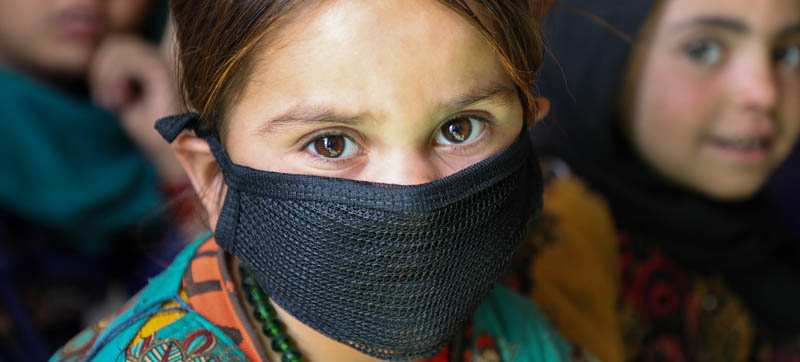
South Asia: Sharp rise in child and maternal deaths due to COVID-19
New York: Severe disruptions in health services due to the COVID-19 pandemic may have resulted in an additional 239,000 child and maternal deaths in South Asia last year, United Nations agencies said on Wednesday.
In a new report, UN Children’s Fund (UNICEF), World Health Organization (WHO) and UN Population Fund (UNFPA) said that the impact also included sharp drops in the number of young children treated for severe acute malnutrition as well as in childhood immunizations.
Drastic cuts in health across South Asia due to COVID-19 have been deadly for children.
According to George Laryea-Adjei, UNICEF Regional Director for South Asia, the fall-off of these critical services has had a devastating impact on the health and nutrition of the poorest and most vulnerable families.
“It is absolutely vital that these services are fully restored for children and mothers who are in desperate need of them, and that everything possible is done to ensure that people feel safe to use them”, he stressed.
The region also suffered increased levels of unemployment, poverty and food insecurity due to the pandemic, further undermining public health, the report said
Millions of girls unlikely to ever return to school
The report – which covered Afghanistan, Bangladesh, Nepal, India, Pakistan and Sri Lanka – also found that about 420 million children were out of school due to the pandemic and its related control measures.
It warned that 4.5 million girls are likely to never return to school, and are at particular risk due to deteriorating access to sexual and reproductive health and information services.
“Given the cultural and social context of South Asia, the suspension of these services is deepening inequalities and is likely to lead to an increase in the number of maternal and neonatal deaths”, Bjorn Andersson, UNFPA Regional Director for Asia and the Pacific said.
“There are also likely to be an additional 3.5 million unintended pregnancies in this region”, Mr. Andersson warned.
Wider impact of COVID-19 also included increased risk of child marriage and stunting – impaired growth and development due to poor nutrition and health.
Prioritize essential health services
The UN agencies called for prioritizing essential health services for pregnant women, adolescents and young infants, as well as strengthening supply chains for the delivery of vaccines and other essential childhood medicines.
Poonam Khetrapal Singh, WHO Regional Director for South-East Asia, underlined that maintaining essential health services is vital for the region’s COVID-19 response strategy “as disruption would only increase the risk of deaths from preventable causes”.
The report also called for ensuring uninterrupted and improved health services for all, helping vulnerable populations address health needs, and stepping up of key COVID-19 prevention measures.
It also urged cash transfer programmes to support the poorest families.
Support Our Journalism
We cannot do without you.. your contribution supports unbiased journalism
IBNS is not driven by any ism- not wokeism, not racism, not skewed secularism, not hyper right-wing or left liberal ideals, nor by any hardline religious beliefs or hyper nationalism. We want to serve you good old objective news, as they are. We do not judge or preach. We let people decide for themselves. We only try to present factual and well-sourced news.
Support objective journalism for a small contribution.


