


Surge in climate change-related disasters poses growing threat to food security: UN
"This year alone, small-scale farmers, fisherfolk, pastoralists and foresters - from Myanmar to Guatemala and from Vanuatu to Malawi - have seen their livelihoods eroded or erased by cyclones, droughts, floods and earthquakes," said FAO Director-General José Graziano da Silva in a press release.
In addition, the agency finds that worldwide, between 2003 and 2013—the period analyzed in the study—the average annual number of disasters caused by all types of natural hazards, including climate-related events, almost doubled since the 1980s. The total economic damage caused is estimated at $1.5 trillion.
Focusing specifically on the impact of climate-related disasters in developing countries, some 25 per cent of the negative economic impacts were reportedly borne by the crop, livestock, fisheries and forestry sectors alone.
In the case of drought, over 80 per cent of the damage and losses affected the agriculture sector, especially livestock and crop production.
The FAO report is based on a review of 78 on the ground post-disaster needs-assessments conducted in developing countries coupled with statistical analyses of production losses, changes in trade flows and agriculture sector growth associated with 140 medium and large scale disasters, defined as those affecting at least 250,000 people.
The report demonstrates that natural hazards—particularly extreme weather events—regularly impact heavily on agriculture and hamper the eradication of hunger, poverty and the achievement of sustainable development.
FAO is warning that the situation is likely to worsen unless measures are taken to strengthen the resilience of the agriculture sector and increase investments to boost food security and productivity and also curb the harmful effects of climate change.
Graziano da Silva noted how the international community recently committed itself to achieving theSustainable Development Goals (SDGs) and the Sendia Framework for Disaster Risk Reduction, and is expected to reach a climate change agreement at the upcoming UN climate change conference—(COP21).
Measuring progress made in meeting these global targets will require accurate, up-to-date information, including on the impact of disasters, the Director-General stressed.
"National strategies for disaster risk reduction and climate change adaptation that support resilience must address the types of disasters with the greatest impact on the agriculture sector,” Graziano da Silva said.
He noted how sector-specific data on damage and losses are essential for effective policy and practice, and that the FAO study aims to contribute to national, regional and global efforts to develop comprehensive disaster data collection and monitoring systems.
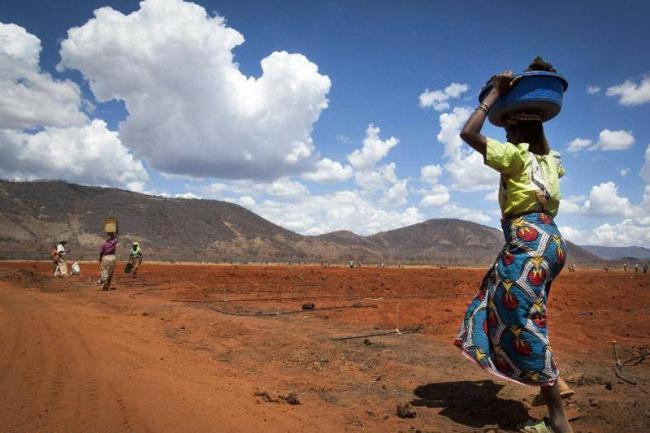
Photo: FAO/IFAD/WFP/Eliza Deacon
Support Our Journalism
We cannot do without you.. your contribution supports unbiased journalism
IBNS is not driven by any ism- not wokeism, not racism, not skewed secularism, not hyper right-wing or left liberal ideals, nor by any hardline religious beliefs or hyper nationalism. We want to serve you good old objective news, as they are. We do not judge or preach. We let people decide for themselves. We only try to present factual and well-sourced news.
Support objective journalism for a small contribution.


