


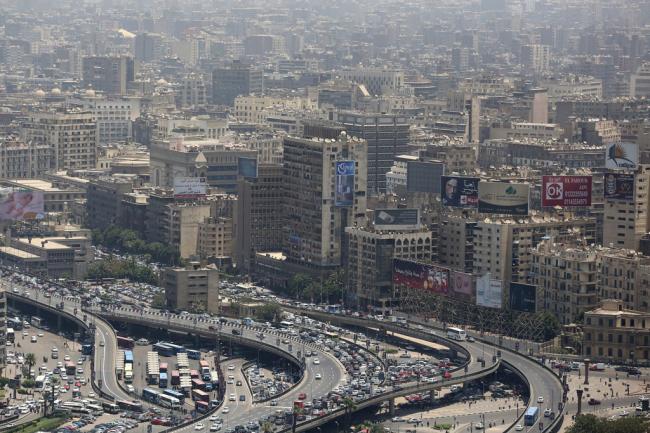
The way cities are planned, run and managed is crucial for development: UN official
“Urbanization can be a transformative force for the sustainable development goals by making cities and human settlements safe, resilient and sustainable,” Eliasson said in his opening remarks to city mayors gathered at the Summit whose main theme this year focuses on innovation.
In 2050, around 70 per cent of the world’s population will live in urban areas. Cities are where 80 per cent of global gross domestic product (GDP) is generated.
Cities also account for just over half of global greenhouse gas emissions and 75 per cent of global energy consumption.
Close to one billion of the world’s urban dwellers still live in dire, even life-threatening, slum conditions – this figure is projected to rise to 1.6 billion by 2030.
Some 2.5 billion people in the world lack access to improved sanitation, not least in urban areas.
“Rising inequality is today a universal concern and very much a reality in cities. Poverty is increasingly concentrated in urban areas,” Eliasson said.
There are also growing difficulties in integrating migrants, creating ethnically and socially fragmented areas of cities.
Insensitive planning and inaccessible infrastructure and public services also build barriers which prevent women, persons with disabilities and senior citizens from benefitting from urban development.
“If cities join forces with governments, the private sector, civil society and urban planners, they can become the hubs for climate and development solutions,” Eliasson said, emphasising that well-planned and well-managed cities reduce poverty, protect citizens from climate impacts and stimulate sustainable economic growth.
But there is no one-size-fits-all approach. And that is why it is important for countries and cities to develop urban policies that capture their own unique circumstances and aspirations.
On sustainable urban planning and design, the Deputy Secretary-General said that human rights and the rule of law, not least strong institutions, must be promoted and protected.
Equitable urban development and inclusive growth must be ensured. Civil society and democratic participation must be expanded. Environmental sustainability must be pursued.
Mayors will continue to play a critical role in the implementation of the post-2015 development agenda and the Paris climate change agreement, when global goals will need to be integrated into local realities and communicated to local communities.
Photo: World Bank/Dominic Chavez
Support Our Journalism
We cannot do without you.. your contribution supports unbiased journalism
IBNS is not driven by any ism- not wokeism, not racism, not skewed secularism, not hyper right-wing or left liberal ideals, nor by any hardline religious beliefs or hyper nationalism. We want to serve you good old objective news, as they are. We do not judge or preach. We let people decide for themselves. We only try to present factual and well-sourced news.
Support objective journalism for a small contribution.


