


UN-backed treaty concludes summit with ‘game changing’ outcomes for wildlife protection
“[The 17th conference of the parties (COP) is] a game changer that will be remembered as a point in history when the tide turned in favour of ensuring the survival of our most vulnerable wildlife,” said the Secretary-General of the Convention on International Trade in Endangered Species of Wild Fauna and Flora (CITES), John E. Scanlon said yesterday in a news release issued by its Secretariat.
“It was not just the well-known species that were on the agenda, the pangolin and many lesser known species also came under the spotlight,” he added, noting in particular decisions to bring new marine and timber species under CITES trade controls.
According to the news release, the decisions adopted by the COP, shorthand for “Conference of Parties” to the Convention, the primary governing body of CITES, will firmly embed wildlife in the agendas of global enforcement, development and financing agencies that have the capacity and technical expertise to help ensure implementation of the Convention on the front lines.
The news release further noted that the, conference, held in Johannesburg, South Africa, was marked by agreement on measures to improve sustainable trade in a number of species, including the queen conch, humphead wrasse, sharks, snakes and African wild dog, as well as a large range of timber species, such as bubinga and rosewoods, and the African cherry and agarwood.
Parties also recognized several conservation success stories, including that of the Cape mountain zebra, several species of crocodiles and the wood bison, which were all by consensus down-listed from Appendix I under CITES to Appendix II in recognition of their improved conservation status.
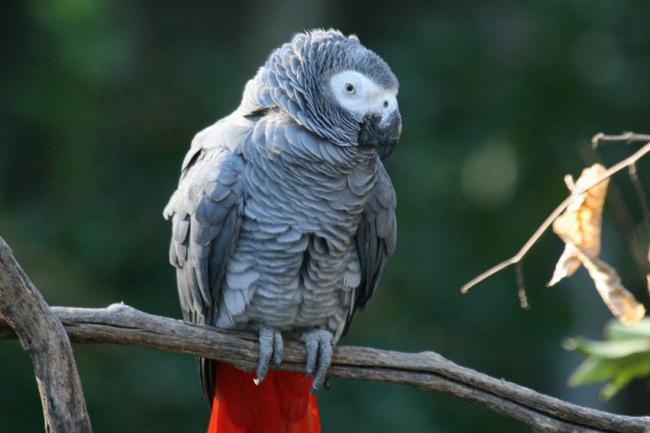
A number of new animals and plants were also added to the CITES Appendices for the first time, affecting a large number of mammals, marine and timber species, as well as many reptiles and amphibians. Similarly, there was a fresh push to further safeguard threatened species and added protection was accorded for the African grey parrot, Barbary Macaque, Blaine’s fishhook cactus, elephant, pangolin and saiga antelope.
Also, measures were agreed to combat illegal trade for specific species, including included the African grey parrot, African lion, cheetah, helmeted hornbill, pangolin, rhino and totoaba, the largest member of the drum family of fishes.
Earlier, in his remarks at the opening of the COP, Erik Solheim, Executive Director of the UN Environment Programme (UNEP) underscored the importance of protecting endangered species.
“Illegal trade of everything from the helmeted hornbill to the hundreds of species of rosewood severely damages our planet, and it's only through the international cooperation we've seen under CITES that we can prevent it,” he said, according to the news release.
Importance for Sustainable Development Goals
In the press release, Scanlon also emphasized that CITES is now seen as an indispensable tool for achieving the 2030 Agenda and its Sustainable Development Goals (SDGs).
For instance, Goal 14 and Goal 15 include specific references on protection of flora, fauna and ecosystems.
The COP, held every three years, is the primary governing body of the Convention. This year’s conference was held in Johannesburg from 24 September to 4 October and was attended by more than 3,500 people, including 2,500 officials from the 152 national governments.
The conference also decided that the 18th COP will be held in Sri Lanka in 2019.
With 183 Parties, CITES is one of the world’s most powerful tools for biodiversity conservation. It regulates international trade in over 35,000 species of plants and animals, including their products and derivatives, ensuring their survival in the wild with benefits for the livelihoods of local people and the global environment.
Photo: CITES
Source: www.justearthnews.com
Support Our Journalism
We cannot do without you.. your contribution supports unbiased journalism
IBNS is not driven by any ism- not wokeism, not racism, not skewed secularism, not hyper right-wing or left liberal ideals, nor by any hardline religious beliefs or hyper nationalism. We want to serve you good old objective news, as they are. We do not judge or preach. We let people decide for themselves. We only try to present factual and well-sourced news.
Support objective journalism for a small contribution.


