July 07, 2026 03:23 pm (IST)

Follow us:


UN urges states to sign treaty on migrant workers' rights
New York, Apr 8 (IBNS): The expert members of the United Nations panel dealing with the rights of migrant workers and their families renewed on Monday their appeal to all countries to sign the international treaty on the rights of those workers, which went into effect almost 11 years ago.
“Forty-seven countries have ratified the treaty but that number is far too low given the abuse and exploitation that migrant workers continue to suffer,” said Francisco Carrion Mena, Chairperson of the UN Committee on the Rights of Migrant Workers and their Families (CMW), adding that it is especially low considering “the contribution migrant workers make to both their home and host countries.”
After being adopted by the UN General Assembly in December 1990, it took 23 years for the International Convention on the Rights of Migrant Workers and their Families (ICRMW) to come into force – the longest of any of the 10 core international human rights instruments – due to its very slow ratification rate.
The Committee – composed of 14 independent human rights experts whose task is to oversee the implementation of the Convention by States parties – notes that many of the 47 States parties to the Convention are not only nations of origin of migrant workers but now also transit and destination countries, because of the changing patterns of migration.
The experts regretted that, to this day, “no major developed countries that are destinations for migrant workers, including the United States, European Union member States and Gulf countries, have ratified it, even though it reflects rights set out in the other core human rights treaties.”
“The treaty doesn’t create new rights or establish additional ones for migrant workers. What it does do is give specific form to standards that protect all human beings so that they are meaningful within the context of migration,” emphasized Carrion Mena.
The Committee estimates that more than 200 million people worldwide are international migrants, 30 million of whom are estimated to be irregular migrants. According to the UN International Labour Organization (ILO), almost 21 million people are trapped in forced labour.
“The Convention is the best strategy to prevent abuses and to address the vulnerability that migrant workers face. That’s why we urge all States to consider signing and ratifying the [treaty] Convention,” Carrion Mena said.
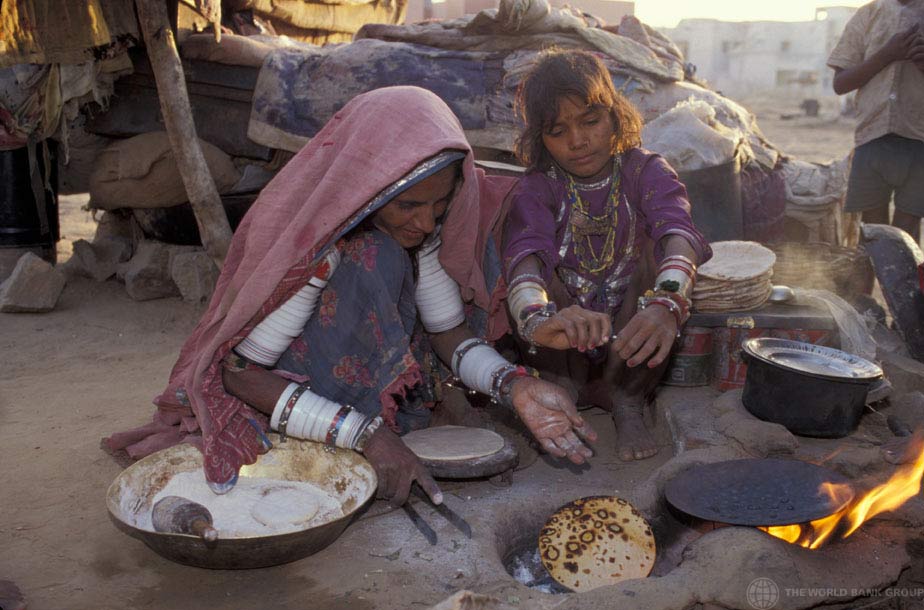
(Migrant workers in India cook a meal. Photo: World Bank/Curt Carnemark)
Support Our Journalism
We cannot do without you.. your contribution supports unbiased journalism
IBNS is not driven by any ism- not wokeism, not racism, not skewed secularism, not hyper right-wing or left liberal ideals, nor by any hardline religious beliefs or hyper nationalism. We want to serve you good old objective news, as they are. We do not judge or preach. We let people decide for themselves. We only try to present factual and well-sourced news.
Support objective journalism for a small contribution.



Latest Headlines
'Death threat' before Melbourne event? Australia probes online post targeting PM Modi ahead of visit
Sat, Jul 04 2026
'Complete fabrication': Netanyahu fires back at media report on alleged Iran assassination plot
Sat, Jul 04 2026
UK pubs to stay open until 5 am for England vs Mexico World Cup clash as govt makes late licensing u-turn
Thu, Jul 02 2026