


Antimicrobial resistance a 'global health emergency,' UN, ahead of awareness week
New York, Nov 13 (IBNS): By 2050, some five million people could die each year in Asia alone due to resistance to antibiotic medicines or antimicrobials, according to UN agencies.
Many antibiotics are no longer effective in fighting infections as those infections have built up resistance to the medication.
Deaths due to antimicrobial resistance (AMR) could surpass annual cancer fatalities, a situation which the UN has called a “global health emergency.”
The UN agencies, which include the Food and Agricultural Organization (FAO), the World Health Organization and the UN Environment Programme called for the more responsible use of antibiotics in humans, animals and agriculture at the opening of World Antibiotic Awareness Week (WAAW) in Asia and the Pacific on Monday, 12 November.
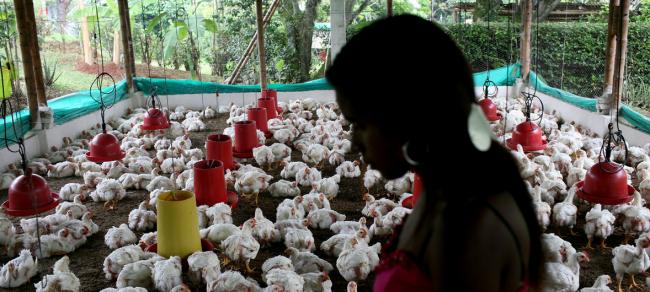
The main message of the awareness week this year is “handle antibiotics with care,” focusing on action plans to prevent infections in livestock, aquaculture and crop production while promoting good farming and food safety.
The UN Food and Agriculture Organization (FAO) defines antimicrobials as drugs which prevent and treat parasitic, bacterial, viral and fungal infections. However, overuse by health practitioners and misuse in the agricultural sector means they are no longer effective in fighting many infections.
Antibiotics can end up in soil, water and the environment at large, giving microbes further opportunity to build up resistance FAO Assistant Director-General and Regional Representative for Asia and the Pacific, Kundhavi Kadiresan, pointed out.
The UN considers AMR as a priority health issue to be tackled with as much urgency as Ebola and HIV.
The three UN agencies have partnered with the World Organization for Animal Health (OIE) as the FAO launches a new publication looking at ways to combat the threat of AMR.
World Bank/Charlotte Kesl
Support Our Journalism
We cannot do without you.. your contribution supports unbiased journalism
IBNS is not driven by any ism- not wokeism, not racism, not skewed secularism, not hyper right-wing or left liberal ideals, nor by any hardline religious beliefs or hyper nationalism. We want to serve you good old objective news, as they are. We do not judge or preach. We let people decide for themselves. We only try to present factual and well-sourced news.
Support objective journalism for a small contribution.


