


 WHO
WHO
WHO validates China's Sinovac COVID-19 vaccine for emergency use
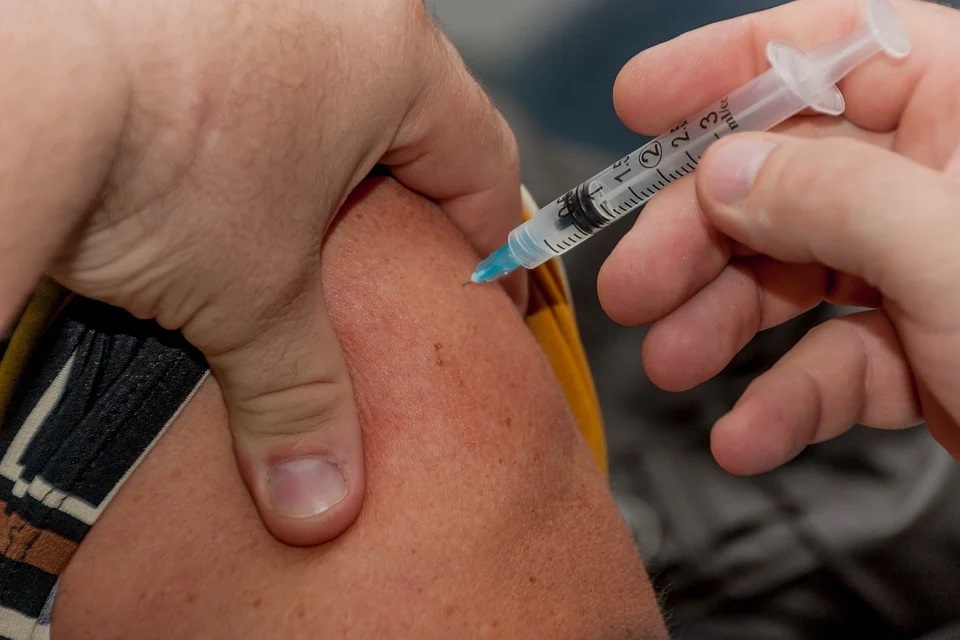
Geneva: The World Health Organization on Tuesday validated the Sinovac-CoronaVac COVID-19 vaccine for emergency use, giving countries, funders, procuring agencies and communities the assurance that it meets international standards for safety, efficacy and manufacturing.
The vaccine is produced by the Beijing-based pharmaceutical company Sinovac.
“The world desperately needs multiple COVID-19 vaccines to address the huge access inequity across the globe,” said Dr Mariângela Simão, WHO Assistant-Director General for Access to Health Products. “We urge manufacturers to participate in the COVAX Facility, share their knowhow and data and contribute to bringing the pandemic under control.”
WHO’s Emergency Use Listing (EUL) is a prerequisite for COVAX Facility vaccine supply and international procurement. It also allows countries to expedite their own regulatory approval to import and administer COVID-19 vaccines.
The EUL assesses the quality, safety and efficacy of COVID-19 vaccines, as well as risk management plans and programmatic suitability, such as cold chain requirements.
The assessment is performed by the product evaluation group, composed by regulatory experts from around the world and a Technical Advisory Group (TAG), in charge of performing the risk-benefit assessment for an independent recommendation on whether a vaccine can be listed for emergency use and, if so, under which conditions.
In the case of the Sinovac-CoronaVac vaccine, the WHO assessment included on-site inspections of the production facility.
The Sinovac-CoronaVac product is an inactivated vaccine. Its easy storage requirements make it very manageable and particularly suitable for low-resource settings.
WHO’s Strategic Advisory Group of Experts on Immunization (SAGE) has also completed its review of the vaccine.
On the basis of available evidence, WHO recommends the vaccine for use in adults 18 years and older, in a two-dose schedule with a spacing of two to four weeks.
Vaccine efficacy results showed that the vaccine prevented symptomatic disease in 51% of those vaccinated and prevented severe COVID-19 and hospitalization in 100% of the studied population.
Few older adults (over 60 years) were enrolled in clinical trials, so efficacy could not be estimated in this age group.
Nevertheless, WHO is not recommending an upper age limit for the vaccine because data collected during subsequent use in multiple countries and supportive immunogenicity data suggest the vaccine is likely to have a protective effect in older persons.
There is no reason to believe that the vaccine has a different safety profile in older and younger populations.
WHO recommends that countries using the vaccine in older age groups conduct safety and effectiveness monitoring to verify the expected impact and contribute to making the recommendation more robust for all countries.
WHO emergency use listing
The emergency use listing (EUL) procedure assesses the suitability of novel health products during public health emergencies. The objective is to make medicines, vaccines and diagnostics available as rapidly as possible to address the emergency, while adhering to stringent criteria of safety, efficacy and quality. The assessment weighs the threat posed by the emergency as well as the benefit that would accrue from the use of the product against any potential risks.
The EUL pathway involves a rigorous assessment of late phase II and phase III clinical trial data as well as substantial additional data on safety, efficacy, quality and a risk management plan with a focus on low- and middle-income country needs. These data are reviewed by independent experts and WHO teams who consider the current body of evidence on the vaccine under consideration, the plans for monitoring its use, and plans for further studies.
As part of the EUL process, the company producing the vaccine must commit to continue to generate data to enable full licensure and WHO prequalification of the vaccine.
The WHO prequalification process will assess additional clinical data generated from vaccine trials and deployment on a rolling basis to ensure the vaccine meets the necessary standards of quality, safety and efficacy for broader availability.
Support Our Journalism
We cannot do without you.. your contribution supports unbiased journalism
IBNS is not driven by any ism- not wokeism, not racism, not skewed secularism, not hyper right-wing or left liberal ideals, nor by any hardline religious beliefs or hyper nationalism. We want to serve you good old objective news, as they are. We do not judge or preach. We let people decide for themselves. We only try to present factual and well-sourced news.
Support objective journalism for a small contribution.


