India planning to expand EV incentive program to encourage new and existing manufacturers
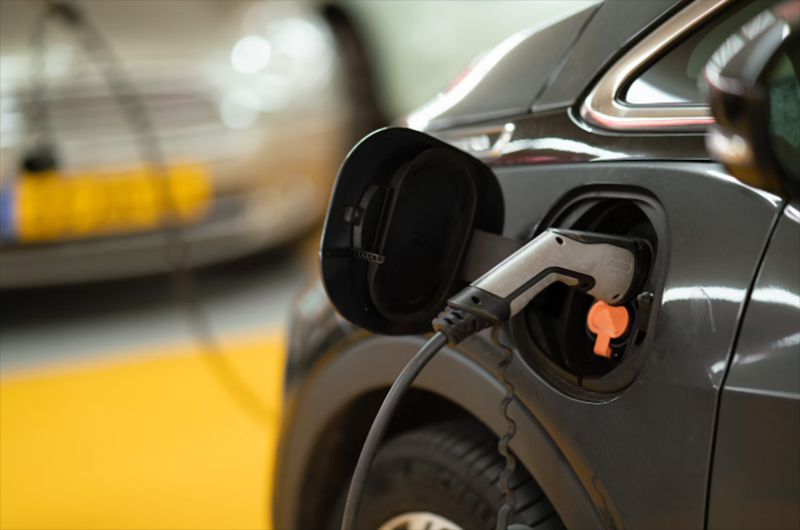
New Delhi: India is planning to broaden its electric vehicle (EV) incentive program to include automakers producing EVs at existing factories, rather than restricting the benefits to those building new plants, Reuters reported, citing a source familiar with the matter.
The EV policy, still under development, was initially designed to attract Tesla to manufacture locally. However, Tesla shelved those plans earlier this year.
Other global automakers have expressed interest in producing EVs in India, both at existing and new facilities, according to minutes from a meeting with India’s Ministry of Heavy Industries reviewed by Reuters.
The changes aim to encourage investment from companies like Toyota and Hyundai, the source added.
Under the policy introduced in March, automakers investing at least $500 million to manufacture EVs in India and sourcing 50% of components locally can benefit from a substantial reduction in import taxes—from as high as 100% to 15%—on up to 8,000 EVs annually.
The proposed revisions will also allow investments in existing plants producing gasoline and hybrid vehicles, provided EVs are manufactured on a dedicated production line and meet local sourcing requirements, the source explained.
For new factories, investment in machinery and tools for EV production will count fully toward the $500 million threshold, even if the equipment is shared with other vehicle types.
To ensure fair treatment, the government plans to set a minimum revenue target from EV production for plants or lines seeking to qualify under the scheme.
The policy is expected to be finalized by March, the source said.
During discussions with the Ministry of Heavy Industries, Toyota officials sought clarification on whether investing in a separate assembly line within a multi-powertrain plant would qualify under the policy and if costs related to installing charging stations could count toward the $500 million investment requirement.
Meanwhile, Hyundai inquired whether research and development expenses could be included in the investment calculation, but the source clarified that such expenses would not qualify.
A Hyundai spokesperson stated the company is awaiting final policy guidelines.
Volkswagen's India unit sought greater flexibility in the investment timeline, proposing that 75% of the $500 million be spent within the first three years of the five-year scheme, rather than the full amount.
The company also asked if supplier investments could be included.
Volkswagen told Reuters that it is closely reviewing the policy and will decide on its next steps accordingly.
Toyota and the Ministry of Heavy Industries did not respond to requests for comment, Reuters reported.
Support Our Journalism
We cannot do without you.. your contribution supports unbiased journalism
IBNS is not driven by any ism- not wokeism, not racism, not skewed secularism, not hyper right-wing or left liberal ideals, nor by any hardline religious beliefs or hyper nationalism. We want to serve you good old objective news, as they are. We do not judge or preach. We let people decide for themselves. We only try to present factual and well-sourced news.
Support objective journalism for a small contribution.