 Economy
RBI predicts increase in gross NPAs of banks to 12.5 pc by March 2021
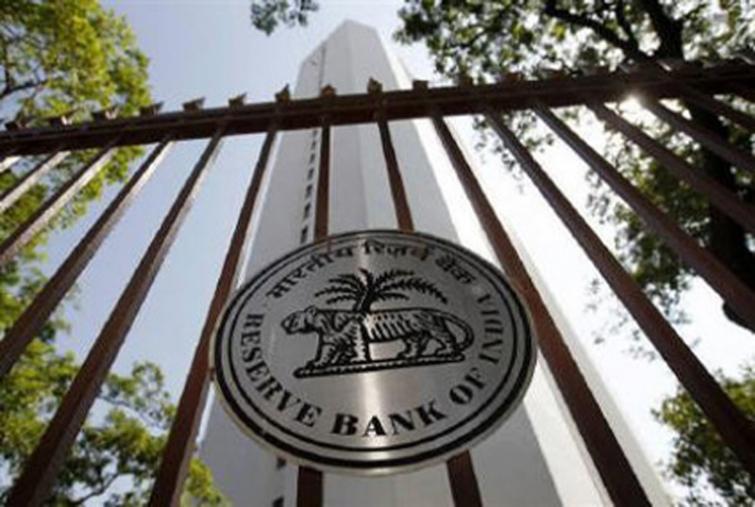
Mumbai/IBNS: The Reserve Bank of India released the Financial Stability Report (FSR) on Friday.
"The financial system in India remains sound; nonetheless, in the current environment, the need for financial intermediaries to proactively augment capital and improve their resilience has acquired top priority," RBI Governor Shaktikanta Das said in the foreword to the report.
Das said in the current situation, risk management has to be prudent, but extreme risk aversion would have adverse outcomes for all.
The key highlights of the report are:
- In response to COVID-19, a combination of fiscal, monetary and regulatory interventions on an unprecedented scale has ensured normal functioning of financial markets.
- The overleveraged non-financial sector, simmering global geopolitical tensions, and economic losses on account of the pandemic are major downside risks to global economic prospects.
- Actions undertaken by financial sector regulators and the Government to mitigate the impact of COVID-19 eased operational constraints and helped in maintaining market integrity and resilience in the face of severe risk aversion.
- Bank credit, which had considerably weakened during the first half of 2019-20, slid down further in the subsequent period with the moderation becoming broad-based across bank groups.
- The capital to risk-weighted assets ratio (CRAR) of Scheduled Commercial Banks (SCBs) edged down to 14.8 per cent in March 2020 from 15.0 per cent in September 2019 while their gross non-performing asset (GNPA) ratio declined to 8.5 per cent from 9.3 per cent and the provision coverage ratio (PCR) improved to 65.4 per cent from 61.6 per cent over this period.
- Macro stress tests for credit risk indicate that the GNPA ratio of all SCBs may increase from 8.5 per cent in March 2020 to 12.5 per cent by March 2021 under the baseline scenario; the ratio may escalate to 14.7 per cent under a very severely stressed scenario.
- Network analysis reveals that total bilateral exposures among entities in the financial system declined marginally during 2019-20; with the inter-bank market continuing to shrink and with better capitalisation of public sector banks (PSBs), there would be reduction in contagion losses to the banking system under various scenarios in relation to a year ago.
-
Going forward, the major challenges include pandemic-proofing large sections of society, especially those that tend to get excluded in formal financial intermediation.
Support Our Journalism
We cannot do without you.. your contribution supports unbiased journalism
IBNS is not driven by any ism- not wokeism, not racism, not skewed secularism, not hyper right-wing or left liberal ideals, nor by any hardline religious beliefs or hyper nationalism. We want to serve you good old objective news, as they are. We do not judge or preach. We let people decide for themselves. We only try to present factual and well-sourced news.
Support objective journalism for a small contribution.