


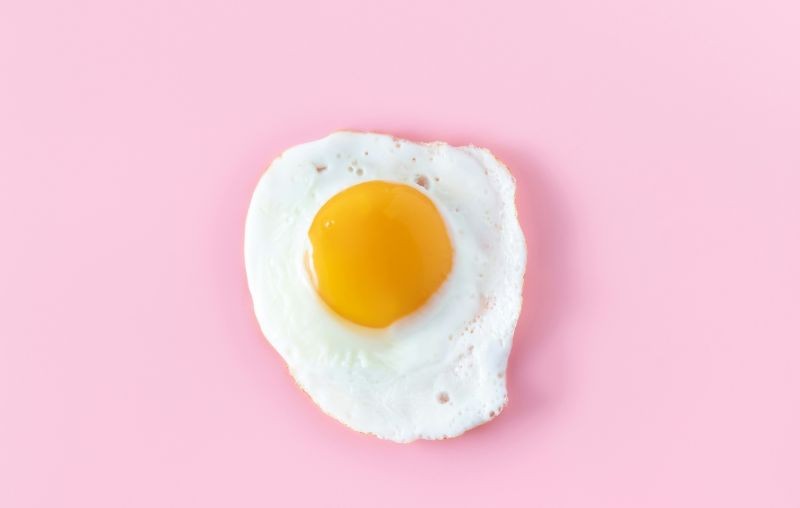
 Eggs
Eggs
Eggs clog your arteries? Indian doctor reveals what science really says
An Indian doctor has challenged long-standing myths surrounding egg consumption, offering reassurance to people who enjoy eggs as a regular source of protein.
In recent years, eggs, particularly egg yolks, have often been blamed for raising cholesterol levels and clogging arteries, sparking an ongoing debate over whether eating them regularly could increase the risk of heart disease.
Now, Dr Sudhir Kumar, a senior neurologist at Apollo Hospitals, Hyderabad, has shared a "reality check" on the issue, citing a global study that analysed 28 years of data from 185 countries.
Sharing his observations on X, Kumar said the study found "a significant negative association between egg consumption and both: Ischemic Heart Disease (IHD) incidence, and IHD mortality."
Are eggs bad for your heart?
— Dr Sudhir Kumar MD DM (@hyderabaddoctor) August 28, 2026
The science says otherwise.
A major global study analyzed 28 years of data across 185 countries.
✅It revealed a significant negative association between egg consumption and both:
Ischemic Heart Disease (IHD) incidence, and IHD mortality
🟢In… pic.twitter.com/pDG3trzKJi
"In simple terms, higher egg intake across populations was linked to fewer heart attacks and lower cardiac death rates," he said.
Kumar also highlighted the distinction between dietary cholesterol and blood cholesterol, saying that dietary cholesterol "does not correlate with blood cholesterol" in a straightforward manner.
"For most people, dietary cholesterol has a minimal impact on serum LDL levels," he said.
The doctor noted that eggs provide high-quality protein along with nutrients such as lutein, zeaxanthin and bioavailable vitamins, which he said can support overall vascular health and antioxidant defence.
"Most modern prospective studies and meta-analyses show that consuming moderate amounts of eggs (up to 1 egg/day) is safe and carries no increased risk of heart disease for healthy adults," Kumar said.
"Don't fear the egg, it is one of nature’s most complete foods," he added.
His remarks sparked reactions on social media, with many users welcoming what they saw as a more nuanced discussion about eggs and heart health.
One user wrote: "The egg has been unnecessarily demonized for long. Eggs are by far the cheapest source of a complete diet."
Another commented: "Eggs have spent a lot of years being guilty, innocent, and guilty again depending on which decade you were eating breakfast in. Nice to see the conversation getting a little more nuanced."
Support Our Journalism
We cannot do without you.. your contribution supports unbiased journalism
IBNS is not driven by any ism- not wokeism, not racism, not skewed secularism, not hyper right-wing or left liberal ideals, nor by any hardline religious beliefs or hyper nationalism. We want to serve you good old objective news, as they are. We do not judge or preach. We let people decide for themselves. We only try to present factual and well-sourced news.
Support objective journalism for a small contribution.


