


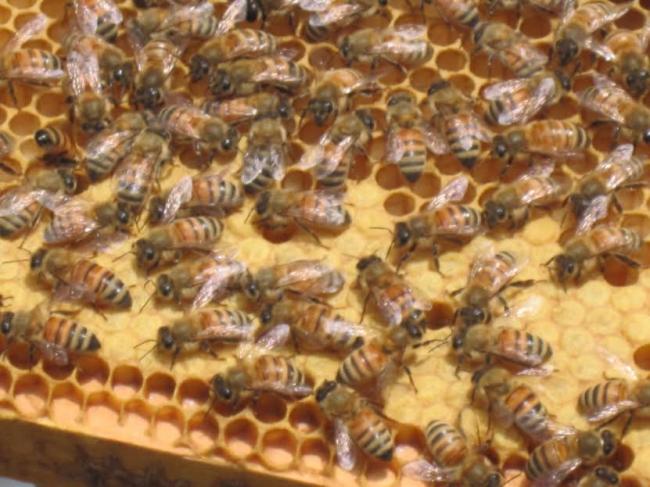
Bee deaths a major concern: Environmentalists
Environmentalists fear that a decrease in bee population can be a serious threat to ecology.
It has been reported that more than one-third of the world’s crop production was dependent on bee pollination alone.
Naled, a neurotoxin was sprayed aerially to kill the adult mosquitoes that were spreading Zika virus.
Flowertown Bee Farm and Supplies lost over 2.5 million bees, and 46 hives and a single blow like that is a serious threat to the bee farming community.
Experts reported that the side effects of using Naled to kill mosquitos with the hope of preventing Zika was currently outweighing the benefits.
In total, bees contribute more than $15 billion to U.S. crop production, hardly small potatoes, reported Canadian Geographic (CG).
CG also said, “If we don’t have insects, then we actually don’t have birds. It’s as simple as that.”
Urban beekeepers raise bees for honey production and various hive products such as wax and pollen.
The Canadian Association of Professional Apiculturists estimated that from 45 different crop yields, the annual economic impact of bees was $650 million.
Canadian researchers are emphasising the use of green or environment friendly products to prevent the growth and spread of mosquitoes.
A recent innovation of a safe mosquito trap called Green Strike, developed by researchers from the University of Waterloo is making its mark as a green weapon against the pests, according to reports.
(Reporting by Asha Bajaj)
Support Our Journalism
We cannot do without you.. your contribution supports unbiased journalism
IBNS is not driven by any ism- not wokeism, not racism, not skewed secularism, not hyper right-wing or left liberal ideals, nor by any hardline religious beliefs or hyper nationalism. We want to serve you good old objective news, as they are. We do not judge or preach. We let people decide for themselves. We only try to present factual and well-sourced news.
Support objective journalism for a small contribution.


