


 Antonio Guterres
Together, we must tackle growing hunger, urges Guterres
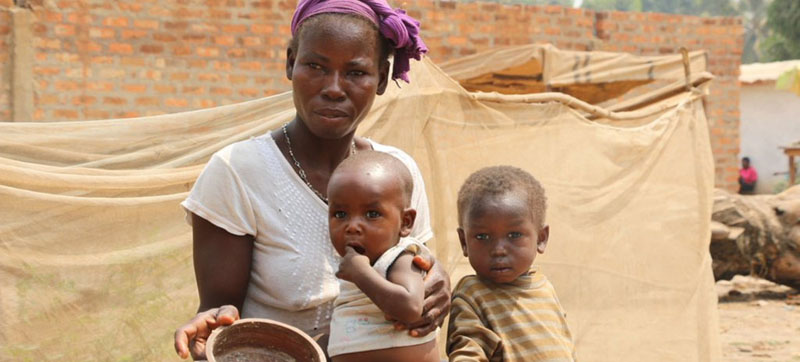
New York: Inefficient global food production is at the root of a huge rise in hunger as well as one-third of all emissions and 80 per cent of biodiversity loss, UN Secretary-General António Guterres has warned, in a call to all countries to transform food systems to speed up sustainable development.
Up to 811 million people faced hunger in 2020 – as many as 161 million more than in 2019 - Mr. Guterres said, at the Pre-Summit of the UN Food Systems Summit in Rome beginning Monday.
Pointing to the disruption caused by the COVID-19 pandemic, the UN chief added that three billion people cannot afford to eat healthily, either.
“We are seriously off track to achieve the Sustainable Development Goals (SDGs) by 2030”, said Mr. Guterres, who highlighted how “poverty, income inequality and the high cost of food” were responsible for these ills, and how climate change and conflict are were “consequences and drivers of this catastrophe”.
Mohammed pledge
Echoing those concerns and urging action at this week’s Pre-Summit, UN Deputy-Secretary-General Amina Mohammed insisted that tackling growing hunger and poor nutrition were challenges that the international community should rise to, “as we have the means to do it”.
Ms. Mohammed welcomed the fact that 145 countries had already embarked on national dialogues to decide on how sustainable food systems should look by 2030, in reference to regular online meetings, public forums and surveys with youth, farmers, indigenous peoples, civil society, researchers, private sector, policy leaders and ministers of agriculture, environment, health, nutrition and finance.
The outcome of these exchanges will contribute to suggested actions organized around the Summit’s five action tracks to transform food production and leverage the far-reaching significance of food systems to help achieve the 17 Sustainable Development Goals (SDGs), the Deputy UN chief explained:
“There is no one size that fits all. We must work country by country, region by region, community by community, to ensure the diversity of needs are addressed to support each reality. The same applies for our food systems and the changes that are required so that we feed the world, without starving the planet of its future.”
The Pre-Summit, which is being held in a hybrid format, brings delegates together from more than 100 countries to launch a set of new commitments through coalitions of action and mobilize new financing and partnerships.
Fragile sustainability
Ms. Mohammed highlighted how the pandemic had reversed efforts towards sustainable development, with latest UN data indicating that around 100 million people have been pushed into poverty since the start of the global health crisis.
But she insisted that this week’s meeting in Rome hosted by the UN Food and Agriculture Organization (FAO) had the opportunity to “drive progress” on the delivering the 2030 Agenda, by agreeing positions on sustainable solutions, ahead of the Leaders’ UN Food Systems Summit in New York in September.
“Through the 2030 Agenda, we agree to transform our world. We can only do that by working together,” Ms. Mohammed said.
“That means we must listen to one another, appreciate diverse perspectives and understand the dynamic and interconnected challenges that we face. It means we must commit to making the choices that are needed to ensure we leave no one or country behind.”
Support Our Journalism
We cannot do without you.. your contribution supports unbiased journalism
IBNS is not driven by any ism- not wokeism, not racism, not skewed secularism, not hyper right-wing or left liberal ideals, nor by any hardline religious beliefs or hyper nationalism. We want to serve you good old objective news, as they are. We do not judge or preach. We let people decide for themselves. We only try to present factual and well-sourced news.
Support objective journalism for a small contribution.


