


Zimbabwe facing worst malnutrition rates in 15 years – UNICEF
The agency reported on Tuesday that the number of hungry families in the country has doubled in the last eight months. A national vulnerability assessment survey released in February shows nearly 2.8 million people in rural Zimbabwe, or 30 per cent of the rural population, will require food assistance, of which 1.4 million were children.
“Families in rural Zimbabwe are locked in a struggle for survival after two consecutive seasons of failed rains, attributed to the El Niño weather phenomenon,” UNICEF spokesperson Christophe Boulierac told reporters in Geneva.
Those seasons of failed rains had diminished food harvests and reserves, increased hunger and malnutrition, dried up water sources and decimated livestock, he said.
As often in such cases, children are enduring the greatest force of the crisis. Overall, 2.1 per cent of children under five years old in Zimbabwe have severe acute malnutrition, exceeding the international threshold of two per cent that indicates the need for an emergency response, he noted. The majority of children with severe acute malnutrition are between one and two years old.
In this situation, he added, children face increased risks of child labour, early marriage and violence, and there are also risks of disease arising from the lack of access to safe water.
In response to a question, . Boulierac said that the Zimbabwean Government has declared a state of disaster and has launched an appeal for $1.5 billion, but it was not known how much of that sum has been raised. UNICEF is appealing for $21 million, out of which $430,000 has been mobilized so far.
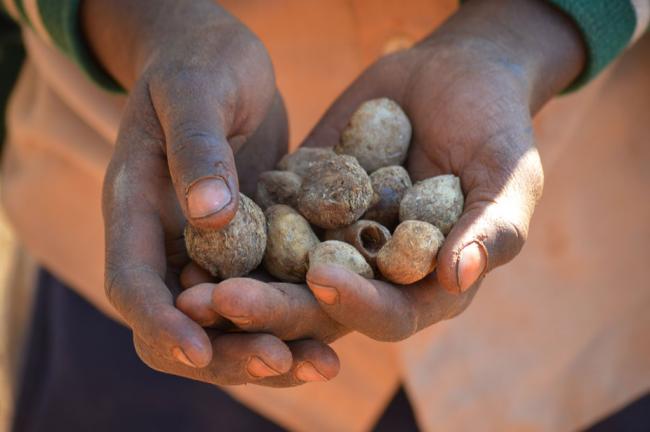
Photo: UNICEF/Richard Nyamanhindi
Support Our Journalism
We cannot do without you.. your contribution supports unbiased journalism
IBNS is not driven by any ism- not wokeism, not racism, not skewed secularism, not hyper right-wing or left liberal ideals, nor by any hardline religious beliefs or hyper nationalism. We want to serve you good old objective news, as they are. We do not judge or preach. We let people decide for themselves. We only try to present factual and well-sourced news.
Support objective journalism for a small contribution.


