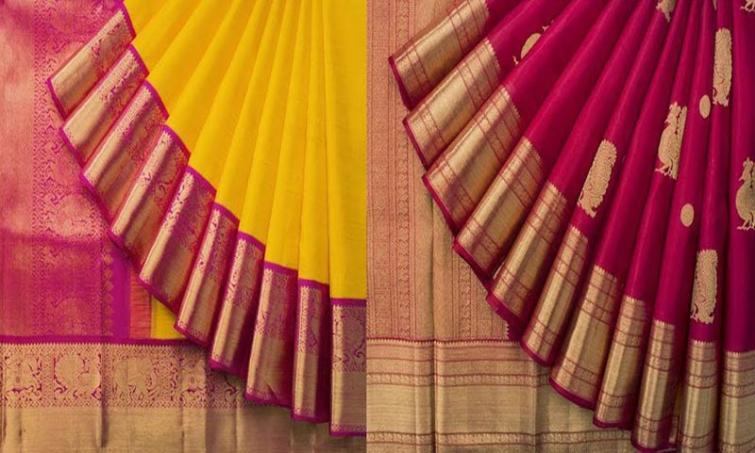
Are you sure you bought an authentic Kanjivaram sari?
Kolkata/IBNS: The Kanjivaram (or Kanchipuram) silk, from the temple town of Kanchipuram in Tamil Nadu is a favourite with brides and partygoers who love to dress traditional, and often calls for a premium price.
But did you know that the market is flooded with fake Kanjivaram saris even though it has won the ggeographical indication (GI) tag?
Not only customers are being duped but the traditional weavers are also facing financial loss.
Authentic Kanjivaram saris are woven from mulberry silk from south India while the gold and silver zaris are from Gujarat.
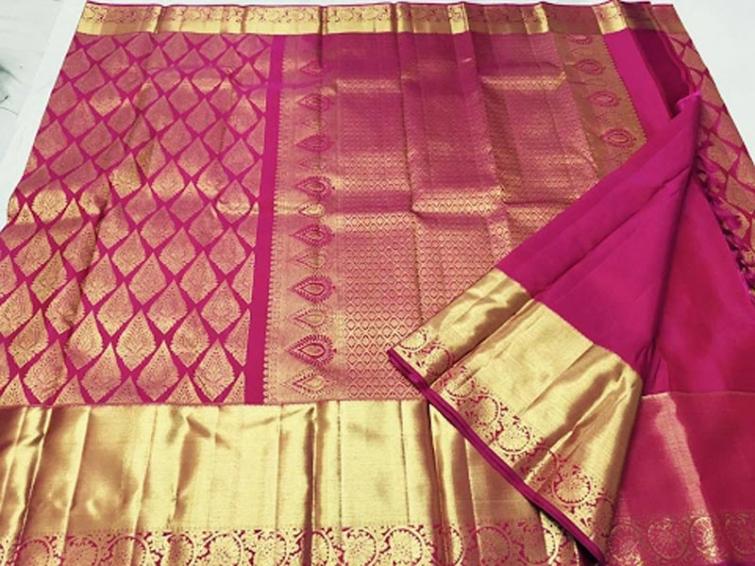
The silk thread is stiff and sturdy as it is treated in rice water and sun dried prior to the weaving process.
But is there any way to identify the real from the fake?
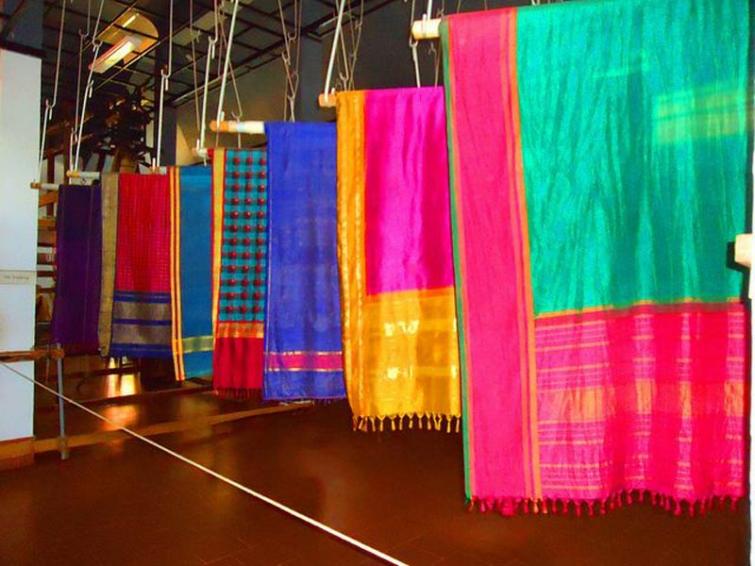
According to Director Gaurav Agarwal of a 50-year old Kolkata-based sari shop Sundari said, the main characteristics of Kanjivaram is that the 'pallu' and the borders are in contrasting colours.
The 'pallu' and the body of the sari are joined by 'pitni' or a zigzag pattern.
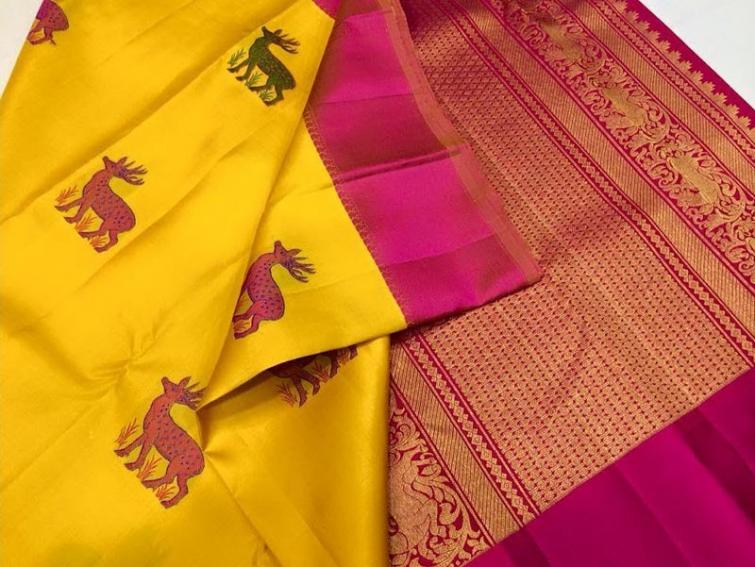
"Looking at the reverse side of pallu and body part, one can see loose small threads where the two meet," said Agarwal
In recent years, with the populairty of the textile increasing, apart from the entire belt around Kanchipuram, it is being manufactured in neighbouring regions, as far as Bengaluru according to reports.
So it is advisable that customers buy these precious saris from well establishe stores.
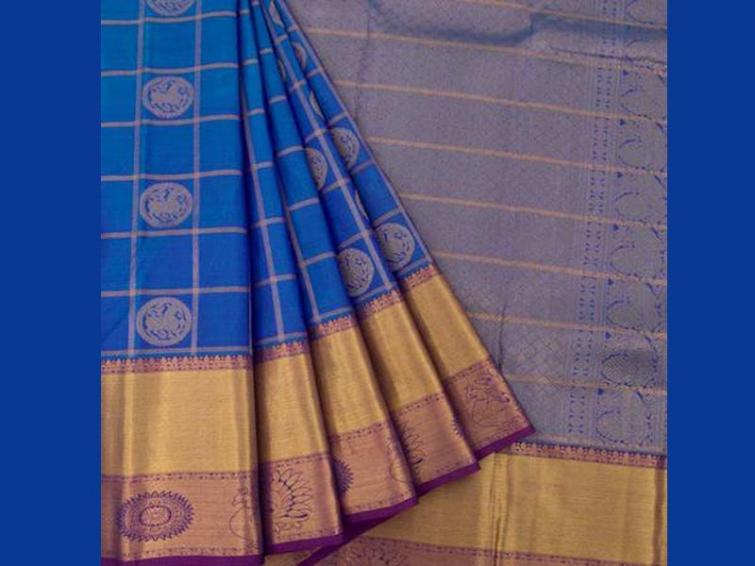
They can also check out a few things, such as the thickness of the silk thread is three ply, the zari is not too shiny the width of the sari is 48 inches, etc.
Discouraging manufacturers and sellers of fake textiles will go a long way in ensuring th prosperity and continutiy of our traditional textiles.
Support Our Journalism
We cannot do without you.. your contribution supports unbiased journalism
IBNS is not driven by any ism- not wokeism, not racism, not skewed secularism, not hyper right-wing or left liberal ideals, nor by any hardline religious beliefs or hyper nationalism. We want to serve you good old objective news, as they are. We do not judge or preach. We let people decide for themselves. We only try to present factual and well-sourced news.
Support objective journalism for a small contribution.