


 WHO COVID19
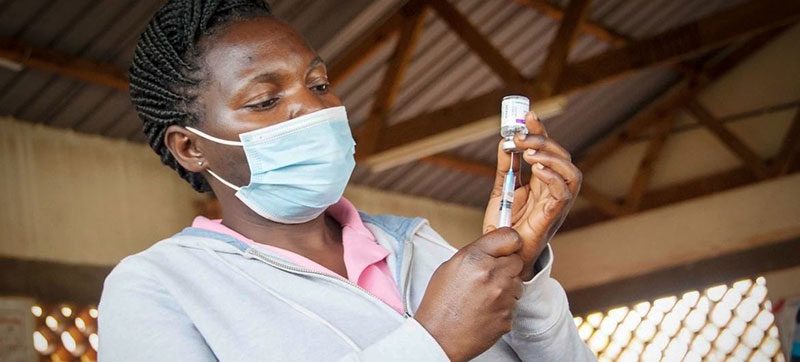
COVID-19: Health workers face ‘dangerous neglect’, warn WHO, ILO
New York: Health teams worldwide need much safer working conditions to combat the “dangerous neglect” they have faced during the COVID-19 pandemic, the UN health and labour agencies said on Monday.
Approximately 115,500 health workers died from COVID-19 in the first 18 months of the pandemic, linked to a “systemic lack of safeguards”, they noted.
In a joint call for action from the World Health Organization (WHO) and the International Labour Organization (ILO), the UN bodies insisted that the coronavirus crisis had contributed to “an additional heavy toll” on health workers.
“Even before the COVID-19 pandemic, the health sector was among the most hazardous sectors to work in,” said WHO’s Maria Neira, Director, Department of Environment, Climate Change and Health.
Physical injury and burnout
“Only a few healthcare facilities had programmes in place for managing health and safety at work,” Dr. Neira continued. “Health workers suffered from infections, musculoskeletal disorders and injuries, workplace violence and harassment, burnout, and allergies from the poor working environment.”
To address this, WHO and ILO have released new country guidelines for health centres at national and local levels.
“Such programmes should cover all occupational hazards – infectious, ergonomic, physical, chemical, and psycho-social,” the agencies noted, adding that States that have either developed or are actively implementing occupational health and safety programmes in health settings had seen reductions in work-related injuries and absences due to sickness and improvements in the work environment, productivity and retention of health workers.
Workers’ rights
“Like all other workers, should enjoy their right to decent work, safe and healthy working environments and social protection for health care, sickness absence and occupational diseases and injuries,” insisted ILO’s Alette van Leur, Director, ILO Sectoral Policies Department.
The development comes as the agencies indicated that more than one-in-three health facilities lack hygiene stations at the point of care, while fewer than one-in-six countries had a national policy in place for healthy and safe working environments within the health sector.
“Sickness absence and exhaustion exacerbated pre-existing shortages of health workers and undermined the capacities of health systems to respond to the increased demand for care and prevention during the crisis,” said James Campbell, Director, WHO Health Workforce Department.
“This guide provides recommendations on how to learn from this experience and better protect our health workers.”
Support Our Journalism
We cannot do without you.. your contribution supports unbiased journalism
IBNS is not driven by any ism- not wokeism, not racism, not skewed secularism, not hyper right-wing or left liberal ideals, nor by any hardline religious beliefs or hyper nationalism. We want to serve you good old objective news, as they are. We do not judge or preach. We let people decide for themselves. We only try to present factual and well-sourced news.
Support objective journalism for a small contribution.


