


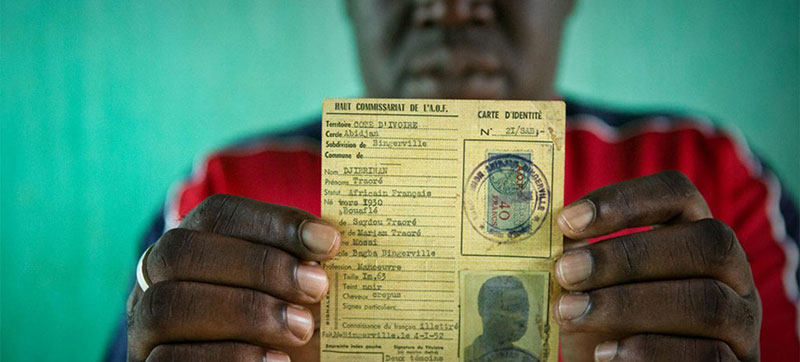
 colonialism
Effects of colonialism ‘still being felt to this day’
New York: The consequences of colonialism are “still being felt to this day”, Chef de Cabinet Courtenay Rattray told the Special Committee on Decolonization on Friday.
Speaking on behalf of Secretary-General António Guterres, he also reminded the participants of the challenges which face the so-called Non-Self-Governing Territories which remain around the world.
“Global cooperation is central to addressing its impacts”, he underscored, urging the Committee, also known as C-24, to “commit to making 2022 a year of recovery for everyone”.
‘A unique platform’
The Special Committee is “a unique platform to promote the implementation of the Declaration on Decolonization”, in accordance with all relevant resolutions, the senior UN official said.
Last year, the C-24 made every effort for the territories and others to engage and be heard.
He drew attention to new working methods, that allow the Committee to hear first from the territories before considering related resolutions.
The C-24 remains committed to the fulfilling its mandate, assured Mr. Rattray.
He described transparent and constructive dialogue as “pivotal” in opening further opportunities which could see progress towards full decolonization.
Guided by the UN Charter and relevant resolutions, “the Secretariat will continue to support the Special Committee in its work to promote decolonization”, concluded the Chef de Cabinet.
COVID in the mix
The Under-Secretary-General for Political and Peacebuilding Affairs, Rosemary DiCarlo, pointed out that the “health, social and economic consequences of COVID-19” have served to compound the development challenges that territories have long faced.
“Addressing these impacts requires improved global cooperation and solidarity”, including vaccine equity to enable COVID inoculations that are affordable and accessible to all, she said
“Vaccinationalism is self-defeating and will only delay global recovery”, added Ms. DiCarlo, encouraging countries to stick to the commitment to leave no-one behind.
Constructive relationships ‘indispensable’
This session marks the beginning of the Fourth International Decade for the Eradication of Colonialism and December 2020 marked the 60th anniversary of the Decolonization Declaration.
The Committee continues its efforts to implement the Declaration and is further determined to strengthen informal dialogues with “administering powers” – the countries which continue to hold or claim sovereignty over territories - and other stakeholders, according to the UN political chief.
“A constructive relationship with all involved is indispensable for the advancement of the decolonization process, on a case-by-case basis”, she said.
In closing, Ms. DiCarlo stressed that expediting the decolonization process is “imperative” and urged everyone to “engage in new dynamics” to address the challenges ahead.
Work in progress
Since the birth of the United Nations, more than 80 former colonies comprising some 750 million people, have gained independence.
As 17 Non-Self-Governing Territories (NSGTs) remain – or nearly two million people – the process of decolonization continues.
Completing this mandate will require continuing dialogue among the administering powers, the 29 different nations that make up the Special Committee, and the Non-Self-Governing Territories.
Support Our Journalism
We cannot do without you.. your contribution supports unbiased journalism
IBNS is not driven by any ism- not wokeism, not racism, not skewed secularism, not hyper right-wing or left liberal ideals, nor by any hardline religious beliefs or hyper nationalism. We want to serve you good old objective news, as they are. We do not judge or preach. We let people decide for themselves. We only try to present factual and well-sourced news.
Support objective journalism for a small contribution.


