


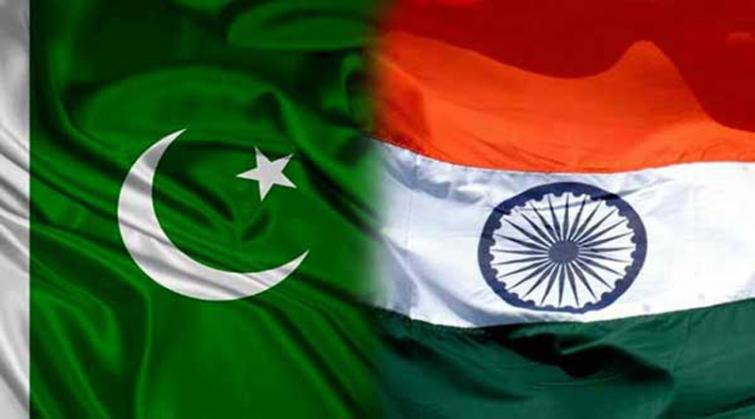
 India-Pakistan
India, Pakistan at Afghan peace conference in Dushanbe
India has been supportive of all diplomatic efforts being made to accelerate dialogue between the Afghan government and the Taliban, including the intra-Afghan talks, said Indian External Affairs Minister S Jaishankar.
The remarks came during the 9th summit of Heart of Asia--Istanbul Process in Dushanbe, Tajikistan where he stressed that the parties involved must negotiate in "good faith".
“If the peace process is to be successful, then it is necessary to ensure that the negotiating parties continue to engage in good faith, with a serious commitment towards reaching a political solution,” Jaishankar said.
In the conference, which saw participation from leaders from 15 regional countries, including Pakistan Foreign Minister Shah Mahmood Qureshi, Jaishankar said that we need “double peace” - peace within Afghanistan and peace around Afghanistan. Peace in Afghanistan, he said, requires harmonizing interests of all, both within and around the country
He also expressed “concern” over the rising violence in the country and flagged the issue of the presence of foreign fighters in Afghanistan.
Earlier reports by the UN monitoring team also indicated the presence of al Qaeda fighters and other Pakistan-based Kashmiri militant groups like Lashkar-e-Taeba and Jaesh-e- Muhammad.
In the same conference, Pakistan Foreign Minister Shah Mahmood Qureshi reminded the Afghan parties of the historic opportunity that is there for peace. He, however, warned against spoilers, both within and outside the country.
“We have consistently cautioned against the role of spoilers both within and outside Afghanistan. We have been keeping concerned about the continuation of violence across Afghanistan, resulting in (the) loss of precious lives,” he said.
Qureshi’s remark was an indirect reference to any Indian role in the Afghanistan peace process which it sees against its longstanding objective of attaining undisputed strategic depth in Afghanistan.
On the threat of ISIS in Afghanistan, Iranian Foreign Minister Javad Zarif warned all countries that the group might use religious extremist elements in the country to broaden religious and ethnic conflicts in the country.
The conference, which brought together all regional countries, however, failed to build any significant regional consensus. Jawed Ludin, a former deputy minister of defense of Afghanistan, said the platform could have been a good framework for regional consensus. But the lack of preparation, mistrust, and political fragmentation in the region prevented it.
Speaking at the conference, Afghan President Ashraf Ghani reiterated his claim of transferring power only through an early election- a proposal already been rejected by the Taliban. He also proposed that the upcoming UN-led talks on Afghanistan in Turkey should be held within the framework of the Afghan constitution.
On the other hand, the Taliban doesn’t recognize the current Afghan constitution, arguing that it is not Islamic and had been made under western influence.
Support Our Journalism
We cannot do without you.. your contribution supports unbiased journalism
IBNS is not driven by any ism- not wokeism, not racism, not skewed secularism, not hyper right-wing or left liberal ideals, nor by any hardline religious beliefs or hyper nationalism. We want to serve you good old objective news, as they are. We do not judge or preach. We let people decide for themselves. We only try to present factual and well-sourced news.
Support objective journalism for a small contribution.


