
April 22, 2026 02:04 am (IST)
Follow us:
facebook-white sharing button
twitter-white sharing button
instagram-white sharing button
youtube-white sharing button
‘PM Modi is a terrorist’: Mallikarjun Kharge sparks row; BJP hits back | ‘What kind of order is this?’: Mamata slams ECI’s bike curbs in poll-bound Bengal, calls it ‘mischief’ | ‘90% of women can’t do politics without entering male politicians’ rooms’: Pappu Yadav sparks row; BJP targets Congress | Tim Cook to step down as Apple CEO; John Ternus named successor | 15 killed, 20 injured as bus plunges into gorge in J&K’s Udhampur | Oil jumps over 5% as Strait of Hormuz closure fuels supply fears | Pushback from smartphone makers: Centre drops Aadhaar app pre-install plan — report | Meta eyes first wave of layoffs on May 20: Report | TCS breaks silence on Nida Khan: ‘No HR role, no power’ in Nashik case | ‘Panic reaction’: Rahul Gandhi on women’s bill, says PM Modi ‘wants to send a message’

Three years of violence halt government health services in Central African Republic – UN

| | May 10, 2016, at 09:44 am
New York, May 10 (Just Earth News/IBNS): More than three years of violence have dismantled the already very fragile health structures in the Central African Republic (CAR), bringing the government service delivery capacity to a complete stop, and leaving thousands of people vulnerable to diseases and with little access to health services, the United Nations humanitarian aid office said over the weekend.

The UN Office for the Coordination of Humanitarian Affairs (OCHA) said that access to health is very poor throughout the country, except in the capital Bangui, and insecurity also impedes or delays responses elsewhere.

Currently 1 million people are assisted by 31 health cluster partners including non-government organizations and UN agencies. Aid agencies use mobile services to help thousands of displaced in areas not covered by the Ministry of Health's basic facilities.

Preventive activities, primary and secondary health care, all functional referral hospitals, early warning mechanisms and rapid outbreak response capacity and psychosocial support remain essentially reliant on humanitarian actors, OCHA said.

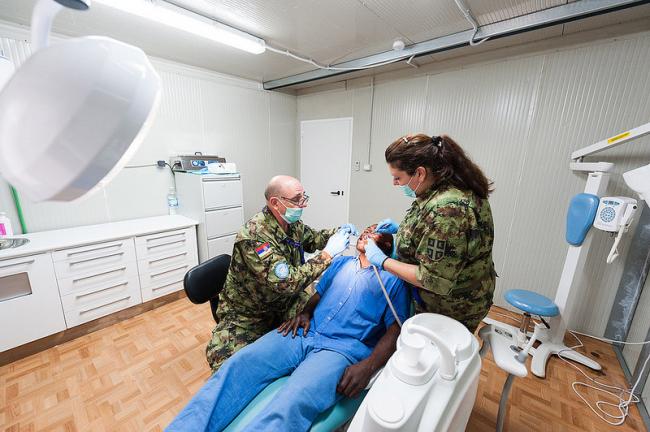
UN Photo/Catianne Tijerina
 

Support Our Journalism

We cannot do without you.. your contribution supports unbiased journalism

IBNS is not driven by any ism- not wokeism, not racism, not skewed secularism, not hyper right-wing or left liberal ideals, nor by any hardline religious beliefs or hyper nationalism. We want to serve you good old objective news, as they are. We do not judge or preach. We let people decide for themselves. We only try to present factual and well-sourced news.

Support objective journalism for a small contribution.


