Reviving rare, traditional musical instruments of Dhimal community of Bengal
The eight-day workshop, a community-based initiative, was recently held at Ketu Gaburjut in Naxalbari in Darjeeling district .
One of the key objectives of holding this workshop was to encourage the master craftsmen and others involved in the making of these instruments and build up their confidence.
The workshop also focused on research and documentation regarding these instruments and the ritualistic dances of the Dhimal community as well as take appropriate steps to preserve the dances and the musical instruments which together constitute a centuries-old art form now threatened with extinction.
 The four master craftsmen who took part in the workshop were Garjan Kumar Mallick, Bistu Mallick, Dipak Mallick and T. K. Mallick.
All of them belong to Ketu Gaburjut in Naxalbari.
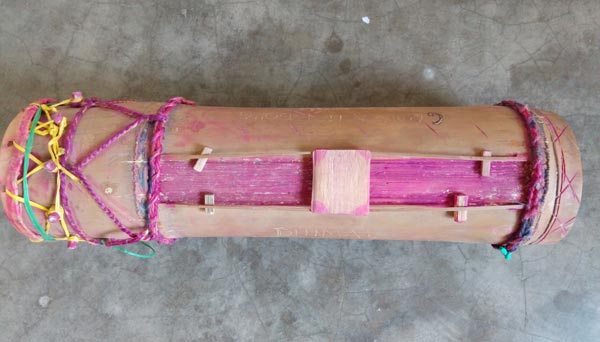
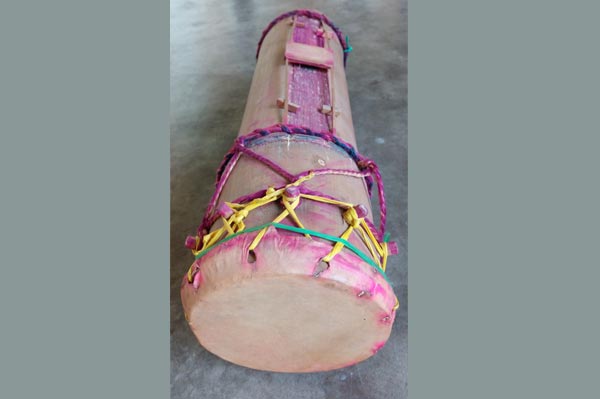
At this workshop, Garjan Kumar Mallick made the urni, tunjai and khuidhuika, Bistu Mallick made the chonga merdong, and Dipak Mallick and T. K. Mallick made the basinko dotra – the best known musical instruments of the Dhimal community.
Support Our Journalism
We cannot do without you.. your contribution supports unbiased journalism
IBNS is not driven by any ism- not wokeism, not racism, not skewed secularism, not hyper right-wing or left liberal ideals, nor by any hardline religious beliefs or hyper nationalism. We want to serve you good old objective news, as they are. We do not judge or preach. We let people decide for themselves. We only try to present factual and well-sourced news.
Support objective journalism for a small contribution.