


 Swimming
Lakes and rivers may look clean, but new study finds hidden health risks
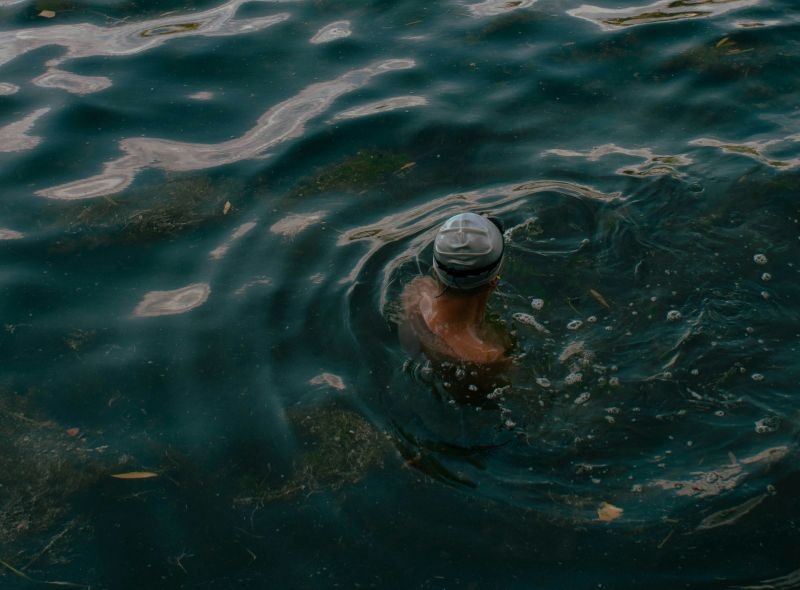
People swimming in rivers and lakes could be putting themselves at risk of nasty skin conditions and stomach bugs, according to a new study from the University of East Anglia.
Researchers found that people who swam in rivers and lakes were more than twice as likely to develop skin problems, while higher levels of bacteria linked to faecal pollution were associated with an increased risk of stomach bugs, reads the University of East Anglia. website.
The findings come amid growing public concern over water quality and a boom in open-water swimming.
How the research happened
The research was conducted by the National Institute for Health and Care Research (NIHR) Health Protection Research Unit in Gastrointestinal Infections at UEA.
Scientists analysed data from 2,368 volunteers who took part in a rare randomised controlled trial at four freshwater bathing sites in Hungary.
Participants were randomly assigned either to spend 10 minutes swimming, including at least three full head immersions, or to remain on the shore without entering the water.
Prof Paul Hunter, from UEA’s Norwich Medical School, led the analysis. He said: “We found that swimmers were more than twice as likely to suffer skin ailments such as rashes, ulcers or itching compared with those who stayed dry.
“We also found that the risk of gastrointestinal illness increased as levels of E. coli and viruses that infect bacteria found in the human gut rose in the water, which is indicative of faecal pollution.
“This work provides some of the strongest evidence yet that contamination in freshwater recreational sites can translate into real-world illness among bathers."
The hidden dangers in seemingly clean water
Although all four study sites met European bathing water standards at the time of the trial, scientists still detected an association between higher levels of microbial contamination and sickness.
The study found that for each tenfold increase in E. coli concentration, the risk of gastrointestinal illness rose by around 73 per cent, while higher levels of viruses known as somatic coliphages were associated with a 45 per cent increase in risk.
The team say these organisms appear to be better indicators of illness risk in rivers and lakes than intestinal enterococci – a bacteria group currently emphasised in some international water-quality guidance.
They also noted that freshwater and coastal waters may require different standards as the behaviour of bacterial indicators differs between the two environments.
Swimmers itch
One intriguing finding was that skin complaints increased among swimmers regardless of measured levels of faecal indicators.
“This could be due to exposure to naturally occurring organisms not linked to sewage pollution,” said Prof Hunter.
“One possibility is cercarial dermatitis, commonly known as ‘swimmer's itch’, which is caused by parasites shed by waterfowl that can penetrate human skin and trigger an itchy rash.
“Agricultural or industrial contaminants may also play a role,” he added.
Growing relevance for UK swimmers
The findings add fuel to the debate over the condition of Britain's rivers and lakes.
Open-water swimming has surged in popularity in recent years, with advocates praising the mental and physical health benefits of spending time in natural ‘blue spaces’. But campaigners have repeatedly raised concerns about sewage discharges and pollution affecting popular bathing locations.
“Our results were consistent across the four Hungarian study sites, which differed in water quality and water types. Our results were also consistent with a previous study in Germany. So overall, this suggests that the relationships that we have identified are generalisable and likely applicable in UK waters,” said Prof Hunter.
“But it is important to remember that the rates of illness were relatively low overall and most illnesses were mild and short lived,” he added.
“Just over two per cent of participants developed gastrointestinal illness and a similar proportion experienced skin ailments. Respiratory, ear and eye infections were rare.”
Nevertheless, the team concluded that higher concentrations of E. coli and related indicators were clearly associated with greater risks of stomach illness, providing evidence that monitoring these microbes remains important for protecting public health.
This project was a collaboration of partners from several European institutions, known as Epibathe. The Epibathe projects investigated the risks associated with both marine and freshwater sites. Hungary was chosen for the inland water studies because of the availability of good study sites and experienced local researchers.
This final analysis was led by the University of East Anglia.
This study was funded by the EU’s 6th Research Framework Programme, and by the National Institute for Health and Care Research (NIHR) Health Protection Research Unit in Gastrointestinal Infections, a partnership between the UK Health Security Agency (UKHSA) and the University of East Anglia.
Support Our Journalism
We cannot do without you.. your contribution supports unbiased journalism
IBNS is not driven by any ism- not wokeism, not racism, not skewed secularism, not hyper right-wing or left liberal ideals, nor by any hardline religious beliefs or hyper nationalism. We want to serve you good old objective news, as they are. We do not judge or preach. We let people decide for themselves. We only try to present factual and well-sourced news.
Support objective journalism for a small contribution.


