Coronavirus ‘grim reality’: World economy to shrink by 3.2 per cent, new UN report projects
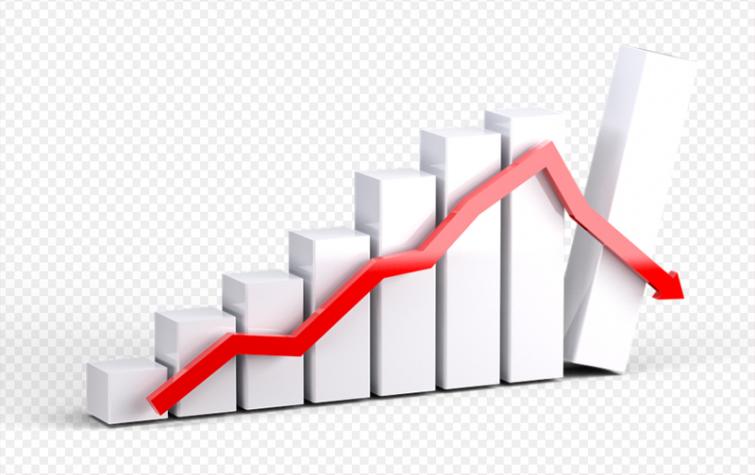
New York/IBNS: Against the backdrop of the raging COVID-19 pandemic, the world economy in 2020 is projected to shrink by 3.2 per cent, racking up some $8.5 trillion in overall losses – wiping out nearly four years of output gains, according to a mid-year economic analysis by the United Nations.
In its World Economic Situation and Prospect (WESP) report update, launched on Wednesday, the UN Department of Economic and Social Affairs (DESA) said that as of mid-2020, the gross domestic product (GDP) in developed countries will plunge to -5.0 per cent, while the output of developing countries will shrink by 0.7 per cent.
The coronavirus has unleashed a health and economic crisis, unprecedented in scope and magnitude, with lockdowns and border closures paralyzing economic activity and laying off millions of workers globally. “The global economic outlook has changed drastically since the launch of WESP 2020 in January”, observed Elliott Harris, UN Chief Economist and Assistant Secretary-General for Economic Development.
“With the large-scale restrictions of economic activities and heightened uncertainties, the global economy has come to a virtual standstill in the second quarter of 2020,” he added. “We are now facing the grim reality of a severe recession of a magnitude not seen since the Great Depression.”
Meanwhile, to fight the pandemic and minimize the impact of a catastrophic economic downturn, Governments globally are rolling out fiscal stimulus measures that equal roughly 10 per cent of the world’s GDP.
Unlocking down
Although new infections and COVID-19-related death rates have recently slowed, the pandemic’s future course remains uncertain, as does the economic and social consequences that will follow.
Torn between saving lives and reviving the economy, some governments are already beginning to cautiously lift restrictions to jumpstart their economies.
But recovery will largely depend on how well public health and fiscal measures work together to stem the spread of the virus, minimizing reinfection risks, safeguarding employment and restoring consumer confidence, so that people start spending again.
“The pace and strength of the recovery from the crisis”, explained Mr. Harris, will also rest on “the ability of countries to protect jobs and incomes, particularly of the most vulnerable members of our societies”.
Post-COVID world
Without a quick breakthrough in vaccine development and treatment, DESA maintains that “the post COVID-19 world will likely be vastly different”, from the one we knew.
Although a modest rebound of around 3.4 per cent, mostly recovering lost output, is expected for 2021, the report spelled out that “the possibility of a slow recovery and prolonged economic slump, with rising poverty and inequality, looms large”.
Trade and tourism are paralyzed, while large deficits and high levels of public debt will pose significant challenges for developing countries and small island States.
The UN forecast makes clear that stronger multilateral support and solidarity to contain the pandemic, along with economic and financial assistance to countries hardest hit by the crisis, will remain “critical for accelerating recovery and putting the world back on the trajectory of sustainable development”.
Support Our Journalism
We cannot do without you.. your contribution supports unbiased journalism
IBNS is not driven by any ism- not wokeism, not racism, not skewed secularism, not hyper right-wing or left liberal ideals, nor by any hardline religious beliefs or hyper nationalism. We want to serve you good old objective news, as they are. We do not judge or preach. We let people decide for themselves. We only try to present factual and well-sourced news.
Support objective journalism for a small contribution.