 Sridhar Vembu
It is necessary for economic development: Zoho CEO reignites 70-hour work week debate
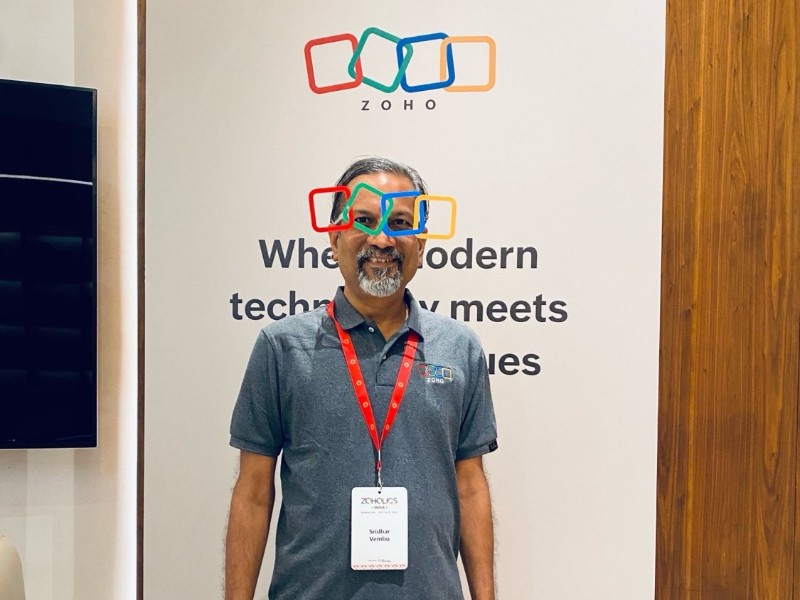
Chennai/IBNS: Zoho Corporation CEO Sridhar Vembu has reignited the debate over the 70-hour work week, initially raised by Infosys co-founder Narayana Murthy.
In a lengthy post on X (formerly Twitter), Vembu argued that the rationale behind such a demanding work schedule is the belief that it is essential for economic development.
He pointed to the experiences of East Asian countries like Japan, South Korea, Taiwan, and China, which have grown through extreme work cultures, often imposing heavy work burdens on their populations.
The rationale behind the 70 hour work week is "it is necessary for economic development". If you look at East Asia - Japan, South Korea, Taiwan and China have all developed through extreme hard work, often imposing punitive levels of work on their own people.
— Sridhar Vembu (@svembu) December 27, 2024
These very…
However, Vembu noted a downside, observing that these countries now face low birth rates, with governments struggling to encourage higher birth rates.
He then posed two key questions: "Is such hard work necessary for economic development? Is this development worth the cost of a lonely old age for many people?"
In addressing the first question, Vembu argued that it’s not necessary for everyone to work excessively.
He explained, "It’s sufficient if only a small percentage of the population works intensely. I am part of that group, but I don't prescribe this for others."
Vembu believes that 2-5 percent of the population driving themselves hard could be enough for broad-based economic development, while others should be able to maintain a healthy work-life balance.
Regarding the second question, Vembu concluded that the price of extreme work is not worth it.
He expressed that he doesn’t want India to replicate China's economic model if it means sacrificing the country’s demographic health.
With India already at replacement-level fertility, particularly in its southern states, he warned that further declines in birth rates to East Asian levels would be detrimental.
Vembu ended his post by emphasising his belief that economic progress doesn’t need to come at the cost of "demographic suicide."
The debate over the 70-hour work week began when Narayana Murthy called for increased productivity in India's workforce.
In an interview with Infosys's former CFO Mohandas Pai, Murthy had argued that India’s low work productivity was a barrier to competing with countries like Japan and China.
He urged India’s youth to embrace the idea of working 70 hours a week to boost national productivity and economic competitiveness.
Support Our Journalism
We cannot do without you.. your contribution supports unbiased journalism
IBNS is not driven by any ism- not wokeism, not racism, not skewed secularism, not hyper right-wing or left liberal ideals, nor by any hardline religious beliefs or hyper nationalism. We want to serve you good old objective news, as they are. We do not judge or preach. We let people decide for themselves. We only try to present factual and well-sourced news.
Support objective journalism for a small contribution.