'Never said UPI cannot be free for users, but someone is paying for it': RBI Governor
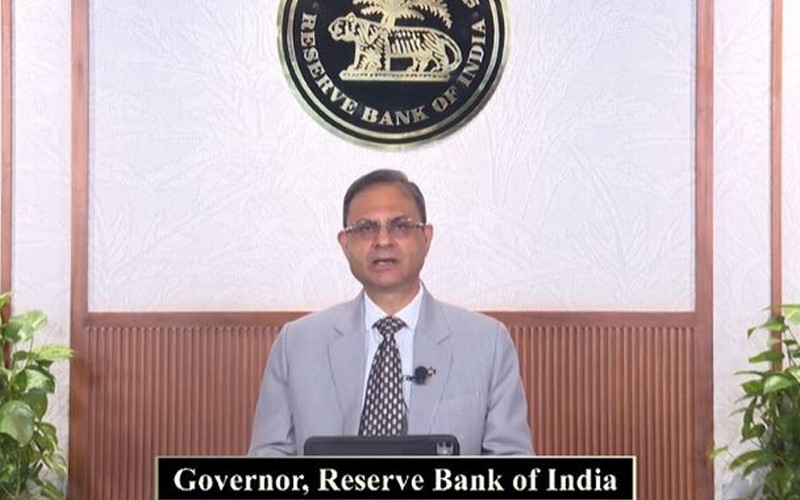
Mumbai: Reserve Bank of India (RBI) Governor Sanjay Malhotra has walked back comments made in a recent newspaper interview, clarifying that he never said UPI may stop being free, media reports said.
His remarks had triggered speculation over whether users might eventually bear the cost of using the platform.
Speaking at the RBI’s monetary policy press briefing on August 6, Malhotra said, “I never said it cannot remain free forever,” when asked if merchant discount rate (MDR) or similar fees could be passed on to consumers, Moneycontrol reported.
MDR refers to the fee payment companies charge merchants for processing debit and credit card transactions.
Though UPI currently operates as a zero-cost system for users and merchants, the RBI governor underlined that there are real costs involved in running the infrastructure.
“There are costs, and these costs have to be paid by someone. Who pays is important but not as important as the fact that someone is footing the bill,” Malhotra said, pointing out that his earlier intent was only to underscore the hidden cost of the system, not suggest a policy shift, according to the report.
“My sense is that it is not free even now, and someone is paying for it. The government is subsidising it, but somewhere, the costs are being paid,” he added.
Reiterating his stance, Malhotra said the decision on who should ultimately bear the cost lies with the government.
“The real question is: who pays for it? That is the question,” he said, broadly aligning with the Centre’s position that pricing and subsidies fall under the finance ministry’s purview.
His comments come amid growing concern over reports that some banks have started applying charges on UPI transactions routed via aggregators or in specific merchant categories—raising fears that the no-cost model could be eroding.
Support Our Journalism
We cannot do without you.. your contribution supports unbiased journalism
IBNS is not driven by any ism- not wokeism, not racism, not skewed secularism, not hyper right-wing or left liberal ideals, nor by any hardline religious beliefs or hyper nationalism. We want to serve you good old objective news, as they are. We do not judge or preach. We let people decide for themselves. We only try to present factual and well-sourced news.
Support objective journalism for a small contribution.