


 Heart Disease
Avoiding inflammatory foods can lower heart disease, stroke risk: Study
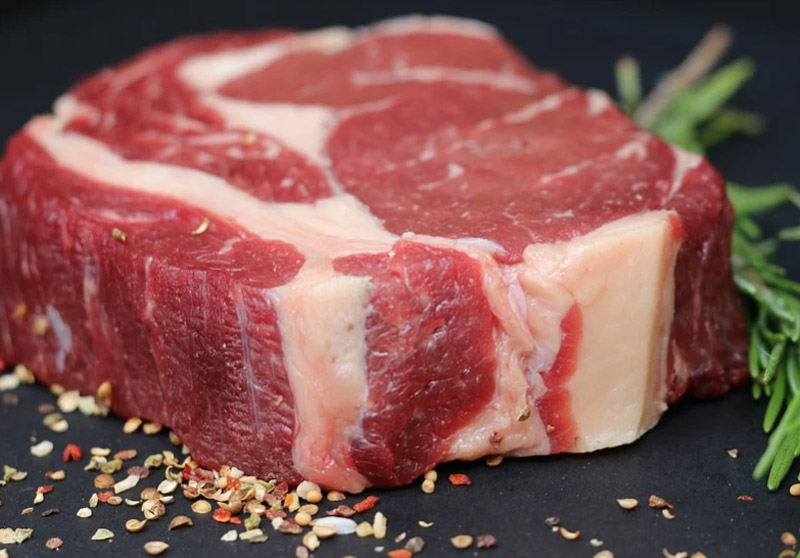
Washington: Diets high in red and processed meat, refined grains and sugary beverages, which have been associated with increased inflammation in the body, can increase subsequent risk of heart disease and stroke compared to diets filled with anti-inflammatory foods according to a study published today in the Journal of the American College of Cardiology.
A separate JACC study assessed the positive effects eating walnuts, an anti-inflammatory food, had on decreasing inflammation and heart disease risk.
Chronic inflammation has been shown to play an important role in the development of heart disease and stroke. Certain inflammatory biomarkers, such as interleukins, chemokines and adhesion molecules, have been associated with early and late stages of atherosclerosis.
Previous studies have found that diet can influence inflammation levels, but few healthy dietary patterns, such as the Mediterranean diet (rich in olive oil, nuts, whole grain, fruits and vegetables, and seafood consumption, and light on dairy and red/processed meat), have shown lower concentrations of some inflammatory biomarkers and lower heart disease risk.
There has been less research focused on whether long-term adherence to proinflammatory diets are associated with increased rates of heart disease or stroke.
Researchers used the men and women from the Nurses’ Health Studies I and II starting from 1986 and included up to 32 years of follow up. After excluding participants with missing diet information or previously diagnosed heart disease, stroke or cancer, over 210,000 participants were included in the analysis. The participants completed a survey every four years to ascertain dietary intake.
“Using an empirically-developed, food-based dietary index to evaluate levels of inflammation associated with dietary intake, we found that dietary patterns with higher inflammatory potential were associated with an increased rate of cardiovascular disease,” said Jun Li, MD, PhD, lead author of the study and research scientist in the department of nutrition at Harvard T.H. Chan School of Public Health. “Our study is among the first to link a food-based dietary inflammatory index with long-term risk of cardiovascular disease.”
The food-based proinflammatory dietary index based off 18 pre-defined food groups that together show the strongest associations with an increase in inflammatory biomarkers.
After controlling for other risk factors such as BMI, physical activity, family history of heart disease and multivitamin use, the participants consuming proinflammatory diets had a 46% higher risk of heart disease and 28% higher risk of stroke, compared to those consuming anti-inflammatory diets.
The researchers suggested consuming foods with higher levels of antioxidants and fiber to help combat inflammation: Green leafy vegetables (kale, spinach, cabbage, arugula), yellow vegetables (pumpkin, yellow peppers, beans, carrots), whole grains, coffee, tea and wine. The researchers also suggested limiting intake of refined sugars and grains, fried foods, sodas, and restricting processed, red and organ meat. These foods are among the major contributors to the proinflammatory dietary index.
“A better knowledge of health protection provided by different foods and dietary patterns, mainly their anti-inflammatory properties, should provide the basis for designing even healthier dietary patterns to protect against heart disease,” said Ramon Estruch, MD, PhD, senior consultant in the department of internal medicine at Hospital Clinic in Barcelona, Spain, and author of an accompanying editorial comment. “When choosing foods in our diet, we should indeed beware of their proinflammatory and anti-inflammatory potential!”
Support Our Journalism
We cannot do without you.. your contribution supports unbiased journalism
IBNS is not driven by any ism- not wokeism, not racism, not skewed secularism, not hyper right-wing or left liberal ideals, nor by any hardline religious beliefs or hyper nationalism. We want to serve you good old objective news, as they are. We do not judge or preach. We let people decide for themselves. We only try to present factual and well-sourced news.
Support objective journalism for a small contribution.


