


Canada: Mobile health interventions effectively treats serious psychiatric patients
Ottawa, June 6 (IBNS): A recent study by mHealth published by Psychiatric Services revealed that mobile health interventions were an effective in treating patients with serious mental illness due to its superior patient engagement, media reports said.
With the emerging world of apps, ranging from screening tools to coaching platforms, mental health platforms have become reportedly increasingly popular.
“The mHealth intervention showed superior patient engagement and produced patient satisfaction and clinical and recovery outcomes that were comparable to those from a widely used clinic-based group intervention for illness management,” wrote the authors of the study.
163 patients, most of which were from a racial minority group, with serious long-term mental illnesses, including schizophrenia or schizoaffective disorder, bipolar disorder, and depressive disorder were included in the study.
Reportedly Participants were randomly assigned to the traditional clinic-based group intervention, called the Wellness Recovery Action Plan (WRAP), or the mobile health intervention group, called FOCUS.
Patients in the FOCUS group were given a smartphone-delivered intervention, designed specifically for people with serious mental illnesses.
The technology is made up of an app, a clinician dashboard, and support from an mobile health specialist, which allows patients to access videos, audio clips, or written materials at any time of the day.
The users were prompted, by the system, to take daily assessments, which would then be relayed to the specialist.
Researchers found 90 percent of participants that received their care through smartphones stayed with the program compared to 58 percent of patients in the traditional clinic-based intervention group.
A digital therapeutics company, Pear Therapeutics, with several platforms, dedicated to treating mental illnesses is another notable company.
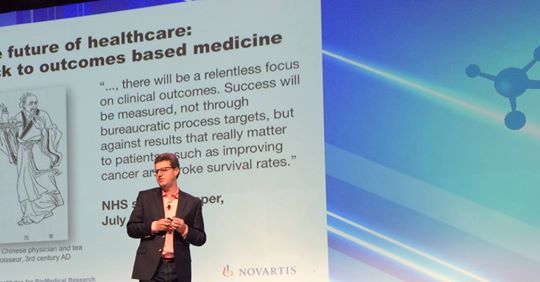
Pear struck a deal with Novartis, a pharma company, in March, to collaborate to develop two digital therapeutics, including one for schizophrenia.
The company also has a platform for treating addiction.
“We’ve had a lot of experience and a lot of engagement with MS patients and clinicians treating MS patients,” Joris Van Dam, head of digital therapeutics at Novartis, told MobiHealthNews...the symptoms they experience from MS itself, they’re really suffering from a mental health burden...We’re very excited about exploring a future where we can treat our patients with the best of drugs and the best of digital and we think that Pear Therapeutics is certainly among the best of digital today.”
In February a mental health Artificial Intelligence (AI( platform, Woebot was launched.
The app helps users talk about their anxiety or depression and give them ways of coping.
“We have a huge issue of access [to mental health specialists], particularly globally,” Dr. Alison Darcy, CEO and founder of Woebot, told MobiHealthNews. “Woebot was created to...talk about your mental health and look after mental health. It is drawn from cognitive behavioral therapy.”
“It can talk them through their thinking and helping them rewrite those thoughts,” Darcy said. “Up until now that practice hasn’t been available outside the [therapists’ office].”
The messaging function on the app can be accessed by the users, just like using Google Hangouts or Apple's iMessage, but instead of a person at the other end of the messages,
This function is programmed to help users talk through their mental health using cognitive behavioral therapy principles.
(Reporting by Asha Bajaj)
Support Our Journalism
We cannot do without you.. your contribution supports unbiased journalism
IBNS is not driven by any ism- not wokeism, not racism, not skewed secularism, not hyper right-wing or left liberal ideals, nor by any hardline religious beliefs or hyper nationalism. We want to serve you good old objective news, as they are. We do not judge or preach. We let people decide for themselves. We only try to present factual and well-sourced news.
Support objective journalism for a small contribution.


