


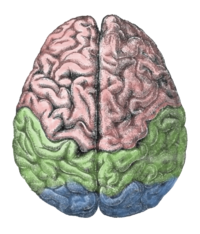
Depressed fathers risk not getting help, says study
Washington, Nov 8 (IBNS): Detecting depression in new parents is crucial – not only for their own sake but also because depressed parents often become less perceptive to the needs of their child, particularly if the child cries a lot.
Babies of depressed parents tend to receive less stimulation which, eventually, could lead to slower development. In some cases, depression may lead to neglect of the child or inappropriately forceful behaviors.
“These behaviours are not unusual – depression does not only involve major suffering for the parent, but also a risk for the child”, says Elia Psouni, associate professor of developmental psychology and co-author of the study, together with psychologists Johan Agebjörn and Hanne Linder.
All new mothers are screened for depression, and an estimated 10–12 per cent of women are affected during their first year after giving birth. Fathers, however, are not screened, but previous international studies claim that the proportion of depressed fathers amounts to just over 8 per cent.
The study of 447 new fathers showed that the established method of detecting depression (EPDS, Edinburgh Postnatal Depression Scale) works poorly on men.
“This means that current statistics may not tell the whole truth when it comes to depression in new fathers”, says Elia Psouni. “The screening method does not capture symptoms which are particularly common in men, such as irritation, restlessness, low stress tolerance, and lack of self-control.”
Although one-third of the depressed fathers in the study had thoughts of hurting themselves, very few were in contact with the healthcare system. Among those who were classified being moderately to severely depressed, 83 per cent had not shared their suffering with anyone. Although difficult to know, the corresponding figure for new mothers is believed to be 20–50 per cent.
“Telling people you feel depressed is taboo; as a new parent, you are expected to be happy. On top of that, previous research has shown that men are often reluctant to seeking help for mental health issues, especially depression; therefore it’s doubtful that they would reveal their suffering to a paediatric nurse”, says Elia Psouni.
Elia Psouni, Johan Agebjörn and Hanne Linder hope that their study will lead to improved screening methods in accordance with their suggestions, delivered so that it can reach all fathers. The method they developed, which combines questions from EPDS and GMDS (Gotland Male Depression Scale), proved to be well-suited for capturing dads with multiple symptoms of depression.
When it comes to screening depression in fathers, Elia Psouni thinks that the period to consider should be longer than the 12 months currently applied in studies of new mothers.
“Among dads, depression is common even at the end of the first year, which may be due to the fact that they rarely get help, but there may be other explanations. Whatever the reason, it is important to monitor dads’ wellbeing as their part of the parental leave usually occurs towards the end of the child’s first year of life.”
Image:Wikimedia Commons
Support Our Journalism
We cannot do without you.. your contribution supports unbiased journalism
IBNS is not driven by any ism- not wokeism, not racism, not skewed secularism, not hyper right-wing or left liberal ideals, nor by any hardline religious beliefs or hyper nationalism. We want to serve you good old objective news, as they are. We do not judge or preach. We let people decide for themselves. We only try to present factual and well-sourced news.
Support objective journalism for a small contribution.


