


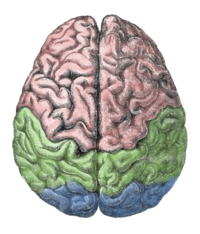
Depression changes brain structure, study suggests
Alterations were found in parts of the brain known as white matter, which contains fibre tracts that enable brain cells to communicate with one another by electrical signals.
White matter is a key component of the brain’s wiring and its disruption has been linked to problems with emotion processing and thinking skills.
The study of more than 3000 people – the largest of its type to date – sheds light on the biology of depression and could help in the search for better diagnosis and treatment.
Scientists at the University of Edinburgh's Division of Psychiatry used a cutting-edge technique known as diffusion tensor imaging to map the structure of white matter.
A quality of the matter – known as white matter integrity – was reduced in people who reported symptoms indicative of depression. The same changes were not seen in people who were unaffected.
Depression is the world’s leading cause of disability, affecting around a fifth of UK adults over a lifetime. Symptoms include low mood, exhaustion and feelings of emptiness.
Experts say the large number of people included in the sample – 3461 – means that the study findings are very robust.
Participants were drawn from UK Biobank, a national research resource with health data available from 500,000 volunteers.
The study forms part of a Wellcome Trust initiative called Stratifying Resilience and Depression Longitudinally (STRADL), which aims to classify subtypes of depression and identify risk factors.
The work – published in Scientific Reports – was carried out in collaboration with the University of Glasgow.
Image: Wikimedia Commons
Support Our Journalism
We cannot do without you.. your contribution supports unbiased journalism
IBNS is not driven by any ism- not wokeism, not racism, not skewed secularism, not hyper right-wing or left liberal ideals, nor by any hardline religious beliefs or hyper nationalism. We want to serve you good old objective news, as they are. We do not judge or preach. We let people decide for themselves. We only try to present factual and well-sourced news.
Support objective journalism for a small contribution.


