


 Smell Loss
How Covid-19 smell loss differs from the common cold, study finds
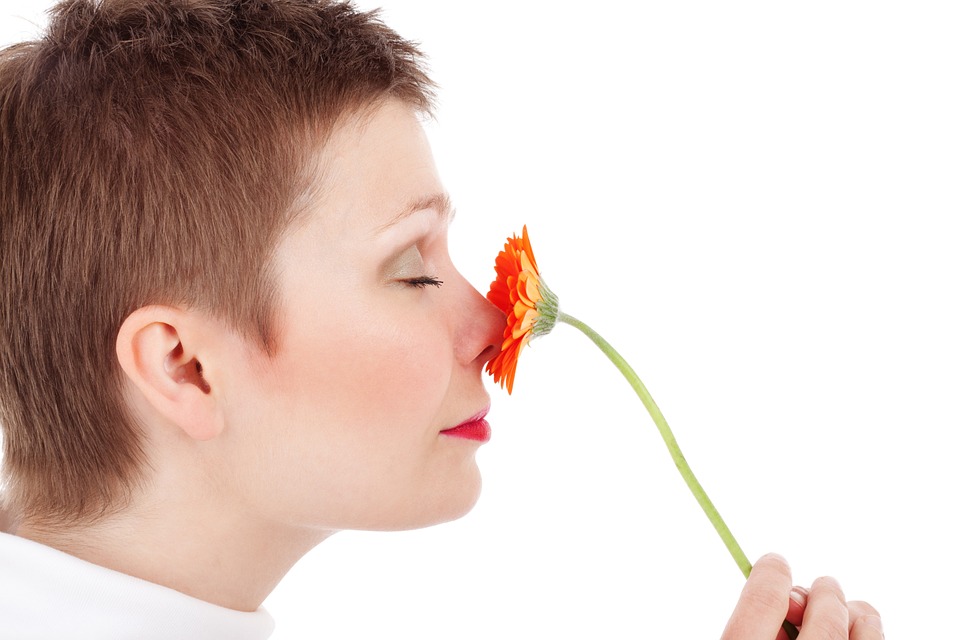
New research from a European group of smell disorder experts, including Prof Philpott at the University of East Anglia, shows how smell loss associated with Covid-19 infection differs from what you typically might experience with a bad cold or flu.
The new study published today is the first to compare how people with Covid-19 smell and taste disorders differ from those with other causes of upper respiratory tract infections.
The main differences found are that, although Covid-19 patients also lose their sense of smell, they can breathe freely, do not tend to have a runny or blocked nose, and they cannot detect bitter or sweet tastes.
These findings lend weight to the theory that Covid-19 infects the brain and central nervous system.
The research team hope that their work could help develop smell and taste tests for fast Covid-19 screening – in primary care and emergency departments.
Lead researcher Prof Carl Philpott, from UEA’s Norwich Medical School, said: “The loss of smell and taste is a prominent symptom of Covid-19, however it is also a common symptom of having a bad cold. We wanted to find out exactly what differentiates Covid-19 smell loss with the kind of smell loss you might have with a cold and blocked-up nose.”
The research team carried out smell and taste tests on 10 Covid-19 patients, 10 people with bad colds and a control group of 10 healthy people – all matched for age and sex.
Prof Philpott said: “We wanted to see if their smell and taste test scores could help discriminate between Covid-19 patients and those with a heavy cold.
“We know that Covid-19 behaves differently to other respiratory viruses, for example by causing the body’s immune system to over-react, known as a cytokine storm, and by affecting the nervous system.
“So we suspected that patterns of smell loss would differ between the two groups.
“We found that smell loss was much more profound in the Covid-19 patents. They were less able to identify smells, and they were not able to identify bitter or sweet tastes. In fact it was this loss of true taste which seemed to be present in the Covid-19 patients compared to those with a cold.
“This is very exciting because it means that smell and taste tests could be used to discriminate between Covid-19 patients and people with a regular cold or flu.
“Although such tests could not replace formal diagnostic tools such as throat swabs, they could provide an alternative when conventional tests are not available or when rapid screening is needed - particularly at the level of primary care, in emergency departments or at airports.
“This research also shows that there are altogether different things going on when it comes to smell and taste loss for Covid-10 patients, compared to those with a bad cold.
“It has previously been suggested that the Covid-19 virus affects the central nervous system, based on the neurological signs developed by some patients. There are also similarities with SARS, which has also been reported to enter the brain, possibly via smell receptors in the nose.
“Our results reflect, at least to some extent, a specific involvement at the level of central nervous system in some COVID-19 patients.
“It is particularly interesting that Covid-19 seems to particularly affect sweet and bitter taste receptors, because these are known to play an important role in innate immunity.
“More research is needed to see whether genetic variation in people’s bitter and sweet taste receptors might predispose them to Covid-19, or conversely, whether Covid-19 infection changes how these receptors function, either directly or through a cytokine storm – the over-reaction of the body’s immune system.”
Support Our Journalism
We cannot do without you.. your contribution supports unbiased journalism
IBNS is not driven by any ism- not wokeism, not racism, not skewed secularism, not hyper right-wing or left liberal ideals, nor by any hardline religious beliefs or hyper nationalism. We want to serve you good old objective news, as they are. We do not judge or preach. We let people decide for themselves. We only try to present factual and well-sourced news.
Support objective journalism for a small contribution.


