


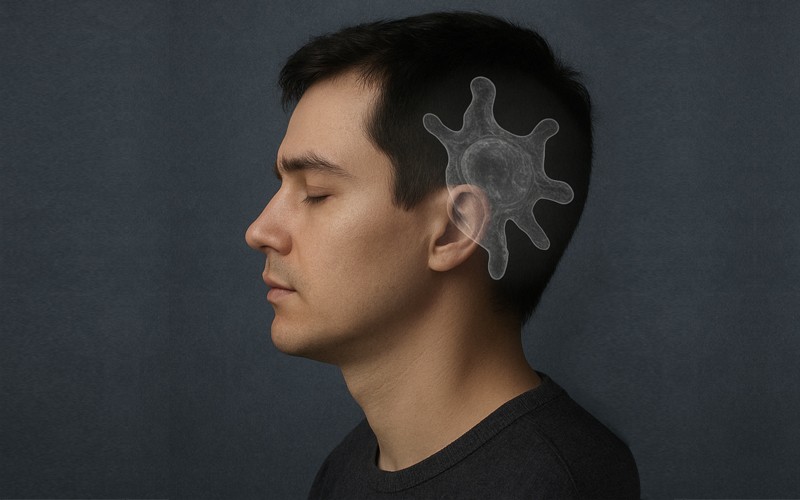
Kerala on alert as ‘brain-eating amoeba’ claims 19 lives this year
Kerala health authorities are on high alert after a surge in cases of Primary Amoebic Meningoencephalitis (PAM), a rare but deadly brain infection caused by Naegleria fowleri, commonly known as the “brain-eating amoeba", that claimed 19 lives this year, media reports said on Wednesday.
Kerala has reported 61 confirmed cases this year, many of them in recent weeks.
The state Health Department has described the situation as a “serious public health challenge.”
Health Minister Veena George said that these infections, earlier seen in clusters in Kozhikode and Malappuram, are now appearing sporadically across the state. Patients range in age from a three-month-old infant to a 91-year-old.
“Unlike last year, we are not seeing clusters linked to a single water source. These are single, isolated cases, and this has complicated our epidemiological investigations,” Ms George said.
What is PAM?
According to the Kerala government’s advisory, PAM affects the central nervous system by destroying brain tissue, leading to swelling and, in most cases, death.
The amoeba thrives in warm, stagnant freshwater. Infection occurs when contaminated water enters the nose during swimming, diving, or bathing. The organism then travels through the olfactory nerves to the brain. Importantly, drinking contaminated water does not cause infection, and the disease does not spread from person to person.
Officials have also warned that climate change is fuelling the risk, with rising water temperatures and increased recreational use of water bodies leading to more exposure.
PAM’s symptoms resemble those of bacterial meningitis, including headache, fever, nausea, and vomiting, often leading to delayed diagnosis.
“The neuro-olfactory route provides N. fowleri quick access to the brain and results in impaired immune response, causing a very rapid disease course,” the advisory says. Symptoms may develop within 1–9 days of exposure, with the disease progressing fatally in just a few days.
Treatment and prevention
Experts stress that early detection is key. Almost all known survivors worldwide were diagnosed before the infection spread extensively in the brain and received aggressive antimicrobial therapy.
Given the rarity and fast progression of PAM, treatment remains difficult.
The state has urged people to seek immediate medical help if they develop meningitis-like symptoms after swimming or bathing in stagnant water.
Sharp rise in Kerala cases
Kerala reported its first PAM case in 2016. Between then and 2023, the state saw just eight cases.
But numbers spiked dramatically last year with 36 cases and nine deaths.
This year, the toll has nearly doubled, with 69 cases and 19 deaths already reported.
Safety advisory
Authorities have advised people to:
- Avoid swimming or bathing in untreated or stagnant freshwater ponds and lakes.
- Use nose clips while swimming in freshwater.
- Ensure proper cleaning and chlorination of wells and water tanks.
- George said the Health Department is stepping up public awareness campaigns, surveillance, and coordination with hospitals to ensure faster detection and treatment.
Support Our Journalism
We cannot do without you.. your contribution supports unbiased journalism
IBNS is not driven by any ism- not wokeism, not racism, not skewed secularism, not hyper right-wing or left liberal ideals, nor by any hardline religious beliefs or hyper nationalism. We want to serve you good old objective news, as they are. We do not judge or preach. We let people decide for themselves. We only try to present factual and well-sourced news.
Support objective journalism for a small contribution.


