


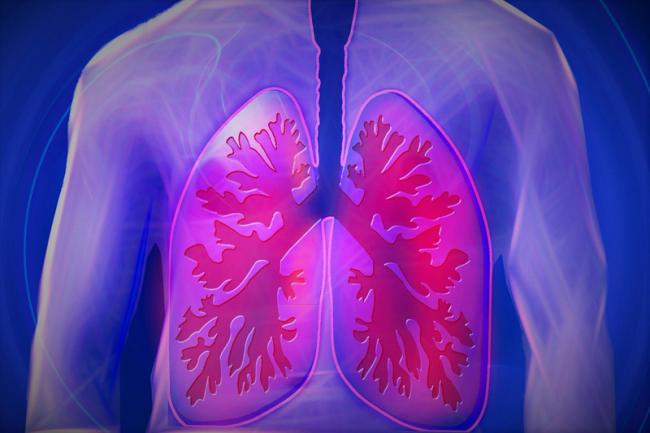
Muscle relaxants increase risk of respiratory complications: Study
New York, Sept 18 (IBNS): Muscle relaxants are a necessary part of anesthesia during certain major operations. Studies have, however, hinted at respiratory risks connected with these drugs.
POPULAR, a major prospective observational European study supported by the European Society of Anaesthesiology (ESA) and led by the Technical University of Munich (TUM), has confirmed the association between use of muscle relaxants and respiratory complications and assessed the chances of the current avoidance strategies.
Anesthetics make patients unconscious during an operation and prevent them from feeling pain. Muscles, however, are not paralyzed by these drugs and may still move. “To prevent this, we also use muscle relaxants or, more precisely, neuromuscular blocking agents”, says Professor Manfred Blobner, an anesthesiologist at TUM's Clinic for Anesthesiology and Intensive Care.
“These drugs are particularly needed when operating on a patient’s chest or abdomen. They are also used to protect the vocal cords from injury when a tube is placed in the airway to allow artificial ventilation, ” says Blobner who is the chair of the POPULAR steering committee. The prospective observational POPULAR study collected data from 22,803 patients of 211 hospitals in 28 European countries.
The first results from this study are now being published in “The Lancet Respiratory Medicine”. They confirm what earlier studies based on pre-existing data had hinted at: The use of neuromuscular blockers during general anesthesia is associated with a significantly increased risk of several respiratory complications after surgery. The most common complications involving the respiratory system were a reduced capacity of the lung transiently to absorb oxygen (5.2%), and infections of the lung and respiratory tract (2.5%). Roughly three quarters of all patients (17150 people) were treated with neuromuscular blocking agents. They were shown to have a significantly higher risk (+4.4%) of developing any type of respiratory complication.
The study did not look into how the use of muscle relaxants might cause the negative effects. Earlier studies have shown that even small amounts of muscle relaxants remaining in the bodies of patients could be responsible for some of the complications. The data from POPULAR however show that established techniques used to avoid residual neuromuscular block do not lower the patients’ risk of pulmonary complications. Neither drugs reversing the effects of the muscle relaxants nor monitoring of neuromuscular function during anesthesia to make sure that the muscle function is completely recovered did change the respiratory outcome. The researchers point out that this does not mean that these measures are unable to reduce residual paralysis but they must be used correctly. There may be flaws in the way these measures are implemented as well as other unknown causes for the complications.
“It's important to note that neuromuscular blocking agents have made surgery considerably safer and more effective since their introduction several decades ago,” says Professor Blobner.
"We have constantly refined both the drugs and the techniques used. Many operations would not be possible without them. Still, the results from POPULAR raise important questions“.
Blobner and co-authors are planning to implement more targeted studies to identify the underlying mechanisms behind their findings.
Based on our results, we believe that patients undergoing minor surgical procedures that do not necessarily require neuromuscular blocking drugs might benefit from avoiding them.
Using devices like laryngeal masks for anesthesia instead of tracheal tubes that go past the vocal cords could prove helpful as well,” says Blobner.
Support Our Journalism
We cannot do without you.. your contribution supports unbiased journalism
IBNS is not driven by any ism- not wokeism, not racism, not skewed secularism, not hyper right-wing or left liberal ideals, nor by any hardline religious beliefs or hyper nationalism. We want to serve you good old objective news, as they are. We do not judge or preach. We let people decide for themselves. We only try to present factual and well-sourced news.
Support objective journalism for a small contribution.


