


 NASA
NASA
NASA astronaut captures ominous thunderclouds from space—And it looks unreal
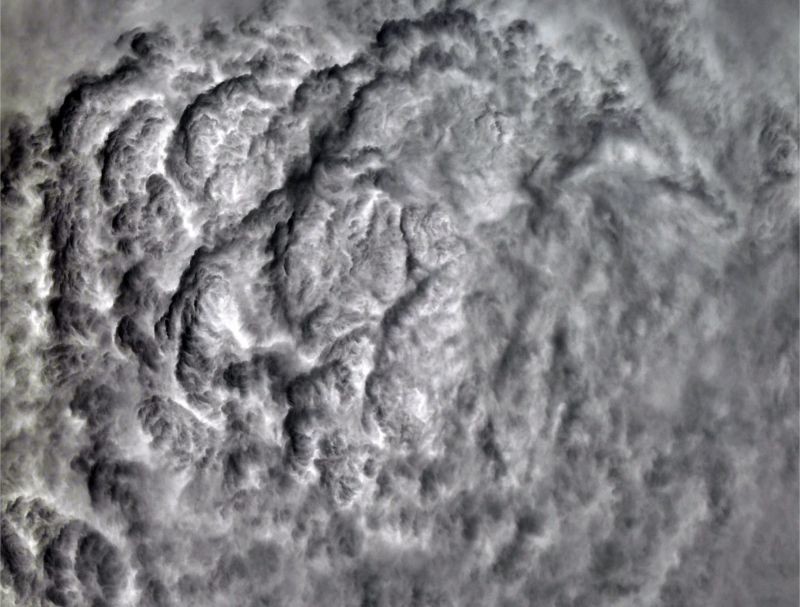
NASA astronaut Jessica Meir has offered a breathtaking glimpse of Earth’s weather systems from space, sharing striking images of thunderclouds as seen from the International Space Station (ISS).
Meir posted the images on Facebook and X, showcasing towering cloud formations over the Pacific Northwest region of the United States.
Even viewing clouds from the @Space_Station is enchanting, an endless variety of shapes, textures, and sizes. . . usually quite serene, but sometimes ominous, like these thunderclouds over the Pacific Northwest this week. pic.twitter.com/Sac3XvzglJ
— Jessica Meir (@Astro_Jessica) June 26, 2026
Describing the view, she wrote: “Even viewing clouds from the @Space_Station is enchanting, an endless variety of shapes, textures, and sizes… usually quite serene, but sometimes ominous, like these thunderclouds over the Pacific Northwest this week.”
The images highlight the dramatic contrast of Earth’s atmosphere from orbit, where weather systems appear both beautiful and powerful from the station’s vantage point hundreds of kilometres above the planet.
Social media users quickly reacted to the post, praising the visuals and sharing their curiosity. One user requested, “Very cool. Please post photos of Brazil,” while another commented, “I didn’t believe it at first.”
The post has since drawn widespread appreciation online for offering a rare astronaut’s-eye view of Earth’s dynamic cloud formations.
Support Our Journalism
We cannot do without you.. your contribution supports unbiased journalism
IBNS is not driven by any ism- not wokeism, not racism, not skewed secularism, not hyper right-wing or left liberal ideals, nor by any hardline religious beliefs or hyper nationalism. We want to serve you good old objective news, as they are. We do not judge or preach. We let people decide for themselves. We only try to present factual and well-sourced news.
Support objective journalism for a small contribution.


