


Nutrient slowed cancer cell growth in early-stage breast cancer: Study
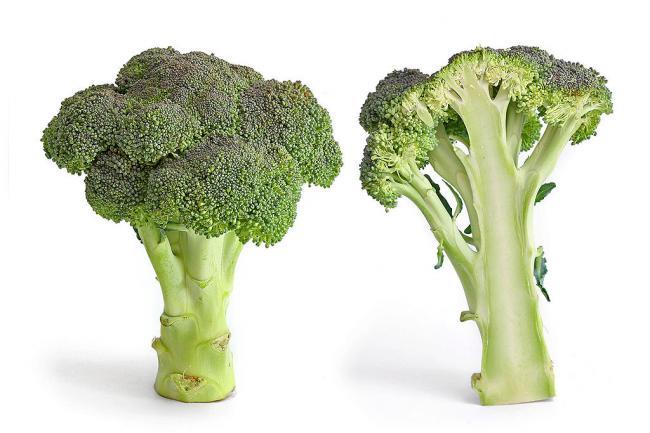
Sulforaphane is a compound found in broccoli and many other cruciferous vegetables, and it has long shown evidence of value in cancer prevention, researchers say.
This new research suggests it may ultimately play a role in slowing cancer growth as well – along with other proven approaches such as surgery, radiation and chemotherapy.
The findings were published in the journal Cancer Prevention Research by scientists from Oregon State University and the Oregon Health & Science University.
“Our original goal was to determine if sulforaphane supplements would be well tolerated and might alter some of the epigenetic mechanisms involved in cancer,” said Emily Ho, a professor in the OSU College of Public Health and Human Sciences.
“We were surprised to see a decrease in markers of cell growth, which means these compounds may help slow cancer cell growth,” said Ho, a co-author on the study. “This is very encouraging. Dietary approaches have traditionally been thought to be limited to cancer prevention, but this demonstrated it could help slow the growth of existing tumors.”
When better understood and studied, it’s possible that sulforaphane or other dietary compounds may be added to traditional approaches to cancer therapy, whether to prevent cancer, slow its progression, treat it or stop its recurrence, said Ho, who is also the endowed director of the Moore Family Center for Whole Grain Foods, Nutrition and Preventive Health, and a principal investigator with OSU’s Linus Pauling Institute.
This research was done with 54 women with abnormal mammograms who were scheduled for a breast biopsy and were studied in a double-blind, randomized, placebo-controlled trial. They received either a placebo or supplements that provided sulforaphane. The amount of sulforaphane they received would equate to about one cup of broccoli sprouts per day, if eaten as a food, Oregon State University website said.
A number of studies in the past have found that women with a high intake of cruciferous vegetables – such as broccoli, cauliflower, cabbage or kale – have a decreased risk of breast cancer. Research has also shown that sulforaphane, which is found at the highest levels in such foods, can modulate breast cancer risk at several stages of carcinogenesis and through different mechanisms.
In particular, sulforaphane appears to inhibit histone deacetylases, or HDACs, which in turn enhances the expression of tumor suppressor genes that are often silenced in cancer cells.
The intake of sulforaphane in this study did, in fact, reduce HDAC activity, as well as cancer cell growth.
Additional studies are needed to evaluate dose responses, work with larger populations, and examine the responses of other relevant molecular targets to either foods or supplements containing sulforaphane, researchers said. Some other studies have also suggested that different types of broccoli extract preparations may be more bioavailable for uses of this type.
This research was supported by the National Cancer Institute, the National Institutes of Health, and the National Institute of Environmental Health Sciences.
Image: Wikimedia Commons
Support Our Journalism
We cannot do without you.. your contribution supports unbiased journalism
IBNS is not driven by any ism- not wokeism, not racism, not skewed secularism, not hyper right-wing or left liberal ideals, nor by any hardline religious beliefs or hyper nationalism. We want to serve you good old objective news, as they are. We do not judge or preach. We let people decide for themselves. We only try to present factual and well-sourced news.
Support objective journalism for a small contribution.


