


UN agency announces new digital system to prevent spread of plant pests
The new initiative – known as e-Phyto – will seek to curb the spread of threats to plants through international trade in “a more secure and cost-effective way” and will be developed by the Commission on Phytosanitary Measures (CPM), the governing body of the International Plant Protection Convention, otherwise known by the acronym IPPC, the FAO said in a press release.
The decision taken by countries will pave the way towards the eventual replacement of the current “complex, bureaucratic process,” in which millions of paper phytosanitary certificates are created, printed and exchanged between countries on an annual basis, with a more efficient digital system.
FAO noted that e-Phyto is already expected to reduce overall costs from the existing paper-based methods while, at the same time, significantly strengthening global harmonization and adherence to the IPPC standards for phytosanitary certification.
In addition, it is expected to simplify and reduce the cost of the $1.1 trillion annual global trade in agricultural products, increase the ability of countries to identify items that pose a high risk and reduce the potential for fraud and hence collateral damage.
“Security and confidentiality are crucial concerns that have been thoroughly addressed in the system design,” Peter Thomson, the IPPC’s Bureau lead for the e-Phyto development, told the CPM meeting in Rome this week.
“Secure electronic exchange of certificates between NPPOs [National Plant Protection Organisations] will eliminate problems some countries currently experience with the use of fraudulent certificates by importers or exporters.”
A number of countries have already begun to use electronic forms of certification which can be considered predecessors to e-Phyto, the FAO continued, including Australia, Canada, Kenya, the Republic of Korea, the Netherlands, New Zealand and the United States.
Meanwhile, the CPM is also seeking funding for the system’s initial establishment in order to also support those Member States that currently do not retain the capacity to engage in e-Phyto.
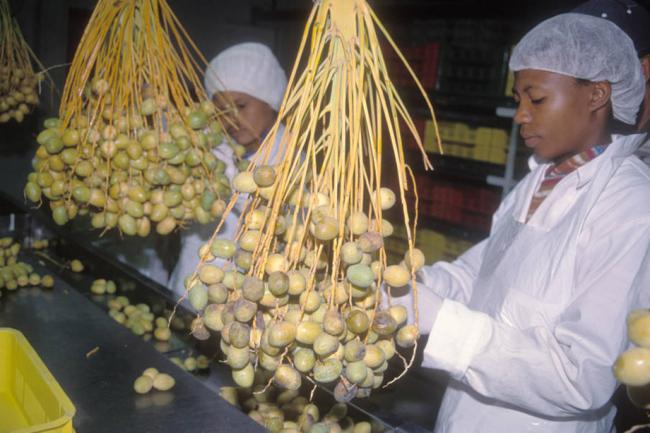
Photo: FAO/M. Namundjebo
Support Our Journalism
We cannot do without you.. your contribution supports unbiased journalism
IBNS is not driven by any ism- not wokeism, not racism, not skewed secularism, not hyper right-wing or left liberal ideals, nor by any hardline religious beliefs or hyper nationalism. We want to serve you good old objective news, as they are. We do not judge or preach. We let people decide for themselves. We only try to present factual and well-sourced news.
Support objective journalism for a small contribution.


