October 16, 2026 11:26 am (IST)

Follow us:


UN urges global regulatory regime to battle junk foods
New York, May 20 (IBNS): Calling on Monday for a new global agreement to regulate unhealthy diets, the United Nations expert on the right to food urged swift action from governments to help change the way the world eats, as obesity-related health problems now kill more people than tobacco.
“Unhealthy diets are now a greater threat to global health than tobacco,” said the UN Special Rapporteur on the right to food, Olivier De Schutter, in a press release.
“Just as the world came together to regulate the risks of tobacco, a bold framework convention on adequate diets must now be agreed,” he said in comments released ahead of Monday’s opening of the UN World Health Assembly, and on the eve of the 21 May event in Geneva organized by Consumers International to launch their new recommendations: Towards a Global Convention to Protect and Promote Healthy Diets.
De Schutter recalled that, despite increasingly worrying signs and well-identified priority actions, the international community continues to pay insufficient attention to the worsening epidemic of obesity and unhealthy diets.
Two years after his report on nutrition and the right to food, and a decade after the World Health Organization (WHO) launched its Global Strategy on Diet, Physical Activity and Health, he said, obesity continues to advance – and diabetes, heart disease and other health complications along with it.
“The warning signs are not being heard,” he said.
In his 2012 report to the Geneva-based UN Human Rights Council, De Schutter identified five priority actions to address obesity and unhealthy diets: taxing unhealthy products; regulating foods high in saturated fats, salt and sugar; cracking down on junk food advertising; overhauling misguided agricultural subsidies that make certain ingredients cheaper than others; and supporting local food production so consumers have access to healthy, fresh and nutritious foods.
“Attempts to promote healthy diets will only work if the food systems underpinning them are put right,” he added. “Governments have been focusing on increasing calorie availability, but they have often been indifferent to what kind of calories are on offer, at what price, to whom they are made available, and how they are marketed,” said De Schutter.
The UN expert also drew attention to the role of breast-milk in infant nutrition, welcoming the recent moves towards regulating the advertising of milk formula in Hong Kong, the Philippines and other places.
“Governments should move forward with these measures, which are essential to ensure that people are protected from aggressive misinformation campaigns,” he said. “They are also crucial to implement the WHO International Code of Marketing of Breast-milk Substitutes and subsequent World Health Assembly recommendations,” he added.
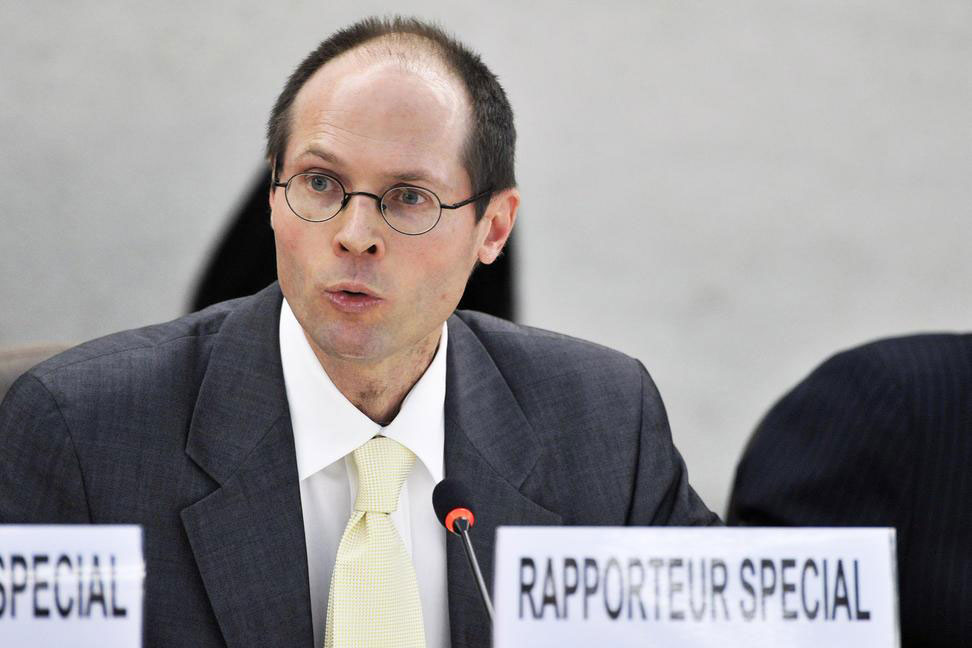
(Special Rapporteur on the Right to Food Olivier De Schutter. UN Photo/Jean-Marc Ferré)
Support Our Journalism
We cannot do without you.. your contribution supports unbiased journalism
IBNS is not driven by any ism- not wokeism, not racism, not skewed secularism, not hyper right-wing or left liberal ideals, nor by any hardline religious beliefs or hyper nationalism. We want to serve you good old objective news, as they are. We do not judge or preach. We let people decide for themselves. We only try to present factual and well-sourced news.
Support objective journalism for a small contribution.


Latest Headlines
Want happier kids? Scientists find a link between early parenting and teen brain health
Wed, Oct 14 2026
Peanuts may do more than you think! Study uncovers potential metabolic health benefits
Sun, Oct 11 2026
WHO’s big warning on child obesity: First global guidelines released
Wed, Oct 07 2026
Plague was killing humans 5,500 years ago! New study rewrites history of deadly disease
Tue, Oct 06 2026