Cabinet approves National Policy on Biofuels - 2018
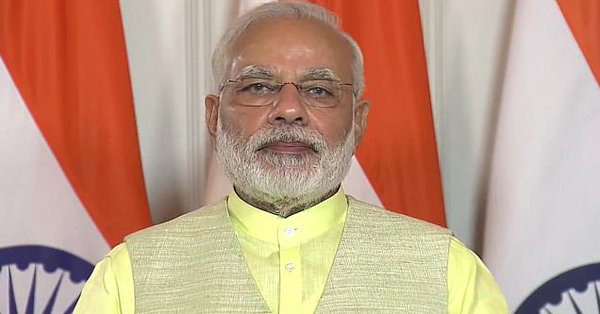
New Delhi, May 16 (IBNS): The Union Cabinet, chaired by the Prime Minister Shri Narendra Modi has approved National Policy on Biofuels – 2018.
Salient Features:
The Policy categorises biofuels as "Basic Biofuels" viz. First Generation (1G) bioethanol & biodiesel and "Advanced Biofuels" - Second Generation (2G) ethanol, Municipal Solid Waste (MSW) to drop-in fuels, Third Generation (3G) biofuels, bio-CNG etc. to enable extension of appropriate financial and fiscal incentives under each category.
The Policy expands the scope of raw material for ethanol production by allowing use of Sugarcane Juice, Sugar containing materials like Sugar Beet, Sweet Sorghum, Starch containing materials like Corn, Cassava, Damaged food grains like wheat, broken rice, Rotten Potatoes, unfit for human consumption for ethanol production.
Farmers are at a risk of not getting appropriate price for their produce during the surplus production phase. Taking this into account, the Policy allows use of surplus food grains for production of ethanol for blending with petrol with the approval of National Biofuel Coordination Committee.
With a thrust on Advanced Biofuels, the Policy indicates a viability gap funding scheme for 2G ethanol Bio refineries of Rs.5000 crore in 6 years in addition to additional tax incentives, higher purchase price as compared to 1G biofuels.
The Policy encourages setting up of supply chain mechanisms for biodiesel production from non-edible oilseeds, Used Cooking Oil, short gestation crops.
Roles and responsibilities of all the concerned Ministries/Departments with respect to biofuels has been captured in the Policy document to synergise efforts.
Support Our Journalism
We cannot do without you.. your contribution supports unbiased journalism
IBNS is not driven by any ism- not wokeism, not racism, not skewed secularism, not hyper right-wing or left liberal ideals, nor by any hardline religious beliefs or hyper nationalism. We want to serve you good old objective news, as they are. We do not judge or preach. We let people decide for themselves. We only try to present factual and well-sourced news.
Support objective journalism for a small contribution.